Understanding the Most Common Plumbing Problems in Older Homes
Older homes have a lot of character. From original woodwork and unique floor plans to historic charm that newer homes often lack, there are many reasons homeowners love older properties.
At the same time, older homes can come with plumbing systems that have been working for decades. Even when previous owners have maintained the property well, age eventually affects pipes, fixtures, valves, and other plumbing components.
This does not mean every older home is destined for plumbing problems. It simply means homeowners should understand the issues that tend to become more common as plumbing systems age.
At Niebuhr Plumbing, Heating and Air Conditioning, we work with homeowners throughout the La Crosse area and often help identify plumbing concerns that are more frequently found in older homes. Understanding what to watch for can help you address issues before they become larger repairs.
Aging Pipes Can Create a Variety of Problems
One of the biggest differences between older and newer homes is the plumbing material itself.
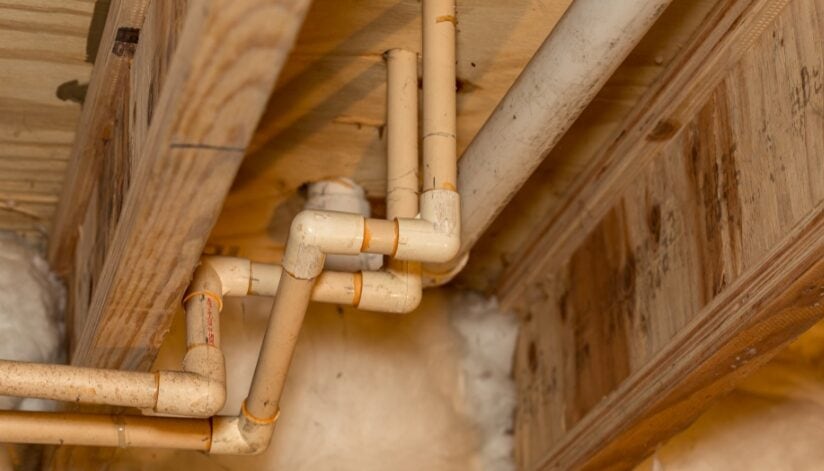
Depending on when a home was built, the plumbing system may contain materials that are no longer commonly installed today. Over time, pipes naturally experience wear, corrosion, and mineral buildup.
Even if a pipe has never leaked, decades of use can affect its performance. As pipes age, homeowners may begin noticing changes such as reduced water pressure, discolored water, or recurring plumbing repairs. The older the plumbing system, the more important it becomes to monitor its condition.
Low Water Pressure Is Often a Warning Sign
Many homeowners assume low water pressure is simply part of living in an older home.
While some older plumbing systems naturally deliver less pressure than modern systems, significant changes should not be ignored. Mineral buildup inside pipes can gradually reduce the amount of water that flows through the system. Corrosion can create similar restrictions over time.
You may notice:
- Weak shower pressure
- Slower faucet flow
- Pressure differences between fixtures
Because these changes often happen gradually, homeowners sometimes adapt to them without realizing how much performance has been lost.
Hidden Leaks Become More Likely With Age
As plumbing systems get older, the likelihood of leaks generally increases.
Pipe joints, fittings, valves, and connections all experience years of expansion, contraction, and daily use. Eventually, components begin showing signs of wear. Some leaks are easy to spot. Others remain hidden behind walls, beneath floors, or inside ceilings.
Common warning signs include:
- Water stains
- Musty odors
- Unexplained increases in water bills
Because hidden leaks often develop slowly, early detection is important for minimizing potential damage.
Fixtures Do Not Last Forever
Pipes are not the only plumbing components that age.
Faucets, toilets, shutoff valves, and other fixtures experience constant use throughout their lifespan. Internal parts wear down, seals deteriorate, and performance can gradually decline.
Many homeowners notice issues such as dripping faucets, running toilets, or fixtures that simply do not operate as smoothly as they once did.
Fortunately, these types of repairs are often more manageable when addressed before complete failure occurs.
Hard Water Can Accelerate Wear
Wisconsin homeowners are no strangers to hard water.
Over the years, minerals naturally found in the water can accumulate inside pipes, fixtures, and appliances. The longer a plumbing system has been exposed to hard water, the more noticeable those effects may become.
Some common signs include:
- Mineral buildup around faucets
- Reduced water flow
- Water heater efficiency concerns
Hard water does not affect every home equally, but it often plays a role in the long-term performance of older plumbing systems.
Drain Problems May Become More Frequent
Older homes sometimes experience recurring drain issues that newer homes may not encounter as often.
Years of buildup inside drain lines can gradually reduce flow. Tree roots may also become a concern as landscaping matures and root systems expand.
Homeowners may notice sinks draining slowly, tubs taking longer to empty, or occasional backups.
While a clog does not automatically indicate a major problem, recurring drain issues deserve attention because they often point to a larger underlying concern.
Previous Repairs Can Affect Current Performance
One interesting aspect of older homes is that plumbing systems often tell a story.
Over the years, repairs, renovations, additions, and upgrades may have altered portions of the plumbing. In some cases, different materials and installation methods exist within the same home.
These changes are not necessarily problematic, but they can create unique challenges when diagnosing plumbing concerns.
Understanding the history of the home’s plumbing system often helps explain why certain issues occur.
Water Heaters Often Show Their Age First
Many plumbing conversations eventually lead back to the water heater.
Older water heaters may become less efficient, develop sediment buildup, or struggle to keep up with household demand. Because hot water is something homeowners rely on every day, changes in performance are often noticed quickly.
If hot water runs out sooner than it used to or recovery times seem longer, the water heater may deserve a closer look.
Like any appliance, water heaters benefit from regular evaluation as they age.
Not Every Older Home Has Plumbing Problems
It is important to remember that age alone does not determine the condition of a plumbing system.
Many older homes have received thoughtful updates and excellent maintenance over the years. Others may have original components that continue performing surprisingly well.
The goal is not to assume problems exist. The goal is to understand what deserves attention as plumbing systems age. Regular inspections and prompt repairs often go a long way toward maintaining reliability and preventing larger issues.
Understanding Your Home’s Plumbing System
Owning an older home often means learning a little more about how its systems work. Plumbing components that have served a home for decades may eventually require maintenance, upgrades, or repairs, but understanding the warning signs can help you stay ahead of potential problems.
At Niebuhr, we help homeowners throughout La Crosse and the surrounding Coulee Region evaluate plumbing concerns and better understand the condition of their systems. Whether you have noticed changes in water pressure, recurring leaks, or aging fixtures, our team is here to help.
Call 608-782-1700 or visit niebuhrplumbing.com/contact to schedule an appointment with our team.