Why Your Home Feels Dustier Than It Used To
You dust the furniture, vacuum the floors, and wipe down the shelves. A few days later, it feels like the dust is back again.
Many homeowners notice periods when their home seems dustier than it used to be. Maybe sunlight coming through the windows suddenly makes dust particles more noticeable. Maybe you find yourself cleaning more often than you did a few years ago. Or perhaps certain rooms seem to collect dust faster than others.
While some dust is completely normal, excessive dust buildup can sometimes point to issues involving airflow, filtration, home activities, or indoor air quality.
At Niebuhr Plumbing, Heating and Air Conditioning, we often hear from homeowners who are frustrated by persistent dust throughout their homes. Understanding where dust comes from and why it may be increasing can help you determine whether there is an underlying issue worth addressing.
Dust Comes From More Places Than Most People Realize
When people think about dust, they often picture dirt entering from outdoors. In reality, much of the dust inside your home originates indoors.
Dust is made up of a variety of materials, including fabric fibers, pet dander, pollen, dirt, skin cells, and other small particles that naturally accumulate over time.
Everyday activities contribute to dust levels. Walking across carpet, sitting on upholstered furniture, and even making the bed can release particles into the air. Because dust is constantly being created, some accumulation is inevitable.
The question becomes why it suddenly seems more noticeable.
Your Air Filter May Need Attention
One of the first places to look is your HVAC filter.
The filter helps capture airborne particles before they circulate throughout your home. When the filter becomes dirty or clogged, it becomes less effective at trapping dust and other contaminants. As a result, more particles may remain in circulation.
This is one reason Niebuhr recommends replacing HVAC filters every 3 to 6 months, depending on usage and filter set up. If it has been a while since your last filter replacement, checking the filter is often a simple place to start.
Airflow Issues Can Spread Dust
Your HVAC system is designed to move air throughout your home.
When airflow problems develop, dust may become more noticeable in certain areas.
For example, leaky ductwork can pull dust and debris into the system before distributing it throughout the house. Airflow imbalances may also cause some rooms to accumulate dust more quickly than others.
You may notice:
- Certain rooms collecting dust faster than others
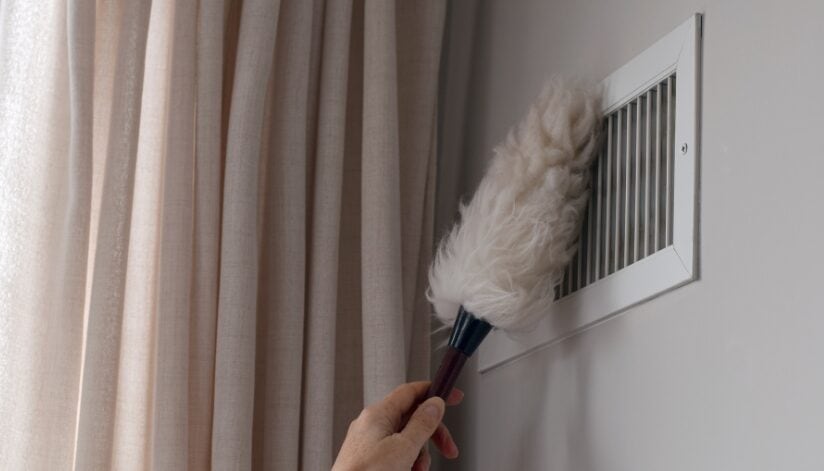
- Dust buildup near vents
- Uneven airflow throughout the home
While dust alone does not always indicate an HVAC issue, changes in dust patterns can sometimes provide useful clues.
Home Renovations Create Dust for Months
Many homeowners are surprised by how long renovation-related dust can linger.
Even relatively small projects such as flooring replacement, painting, drywall work, or remodeling can release large amounts of fine particles into the air. These particles often settle into carpets, furniture, and other surfaces before gradually becoming airborne again. In some cases, homeowners continue noticing elevated dust levels for weeks or even months after a project is completed.
If your dust problem started after a renovation, the project itself may be contributing to the issue.
Pets Add More Than Just Fur
Pet owners are often familiar with hair accumulating around the home. What many people do not realize is that pets also contribute to dust levels in other ways.
Pet dander, tracked-in dirt, and outdoor debris can all become part of the dust circulating through your home. The more pets you have, the more noticeable the impact may become.
This does not mean pets are the problem. It simply means that households with pets often need to pay closer attention to cleaning and filtration.
Seasonal Changes Can Affect Indoor Dust
Dust levels often change throughout the year.
During certain seasons, windows may be opened more frequently, allowing pollen and outdoor particles to enter the home. Dry conditions can also make dust easier to stir up and distribute throughout indoor spaces.
Late summer and early fall often bring changes in air quality that homeowners notice indoors. If your dust problem seems worse during certain times of the year, seasonal factors may be contributing.
Carpets and Upholstered Furniture Hold Dust
Soft surfaces act like reservoirs for dust and airborne particles.
Carpets, rugs, curtains, and upholstered furniture all collect dust over time. Even when these surfaces appear clean, they may still contain particles that become airborne during normal household activity. This is one reason vacuuming and routine cleaning remain important for indoor air quality.
In homes with older carpeting or heavily used furniture, these materials may contribute significantly to dust accumulation.
Sometimes Dust Signals a Larger Air Quality Concern
Most dust issues are relatively straightforward. However, excessive dust combined with other symptoms may indicate a larger indoor air quality concern.
For example, homeowners may notice:
- Increased allergy symptoms
- Frequent sneezing indoors
- Stuffy rooms
- More dust than normal despite regular cleaning
When these concerns occur together, it may be worth evaluating the home’s filtration, airflow, and ventilation systems.
What Can You Do About Excess Dust?
The good news is that many dust issues can be improved with a few practical steps. Regular filter replacement, routine cleaning, and attention to airflow often help reduce dust accumulation.
It is also helpful to think about any recent changes within the home. New pets, remodeling projects, seasonal changes, or HVAC maintenance needs can all influence dust levels.
Identifying what changed is often the first step toward understanding why dust has become more noticeable.
A Cleaner Home Starts With Understanding the Cause
Dust is a normal part of everyday life, but a noticeable increase in dust often has an explanation. Whether the cause involves filtration, airflow, pets, renovations, or seasonal changes, understanding what is contributing to the buildup can help you make informed decisions about your home.
At Niebuhr, we help homeowners throughout La Crosse and the surrounding Coulee Region evaluate indoor air quality concerns and better understand their HVAC systems. If your home feels dustier than it used to or you have questions about filtration and airflow, our team is here to help.
Call 608-782-1700 or visit niebuhrplumbing.com/contact to schedule an evaluation with our team.