Common Sump Pump Failures (And How To Avoid Them)
If your basement has ever flooded, you know how important a working sump pump is. This small device plays a big role in protecting your home during heavy rain or rapid snowmelt. But like any mechanical system, it can fail—and often at the worst possible time. At Niebuhr Plumbing, Heating, and Air Conditioning, we’ve seen firsthand how sump pump problems can lead to costly damage. Knowing what causes them and how to prevent them can help you avoid a disaster.
Here are the most common reasons sump pumps fail and what to do about them.
1. Power Outages
Sump pumps rely on electricity. If a storm knocks out your power, your sump pump shuts off right when you need it most.
How to avoid it:
- Install a backup battery system.
- Consider a water-powered backup pump if you have city water.
- Test your backup system twice a year.
2. Stuck Or Faulty Float Switch
The float switch tells your sump pump when to turn on. If it gets stuck or fails, the pump won’t activate.
Signs of trouble:
- Pump doesn’t turn on when the pit fills.
- Pump runs even when there’s no water.
How to avoid it:
- Make sure your pump is upright and secure.
- Clean the sump pit to remove debris.
- Test the switch monthly by slowly pouring water into the pit.
3. Clogged Discharge Pipe
Your sump pump moves water out of your basement through a discharge pipe. If the pipe is clogged or frozen, water flows back into the pit.
What to watch for:
- Slow draining or water pooling around the foundation.
- Gurgling sounds or backups during operation.
How to avoid it:
- Use a grated cover to keep debris out.
- In winter, check the pipe for ice or snow blockage.
- Install a discharge pipe with a proper slope and check valve.
4. Aging Pump
Most sump pumps last 7 to 10 years. Older units are more likely to fail—especially under stress.
Signs it’s time for a replacement:
- Frequent cycling on and off.
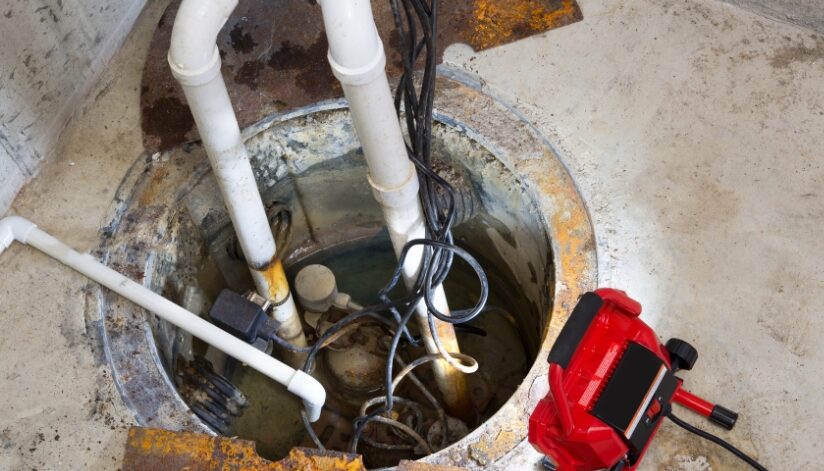
- Visible rust or corrosion.
- Loud noises or vibrations during operation.
How to avoid failure:
- Replace pumps nearing 10 years old.
- Keep a log of maintenance and performance.
- Schedule annual inspections with a licensed plumber.
5. Undersized Or Overworked Pump
If your pump can’t keep up with the amount of incoming water, it will run constantly and still fall behind.
What to check:
- Does your pump run nonstop during heavy rain?
- Is your basement still damp or flooding despite the pump?
How to avoid it:
- Have a professional assess your sump system.
- Upgrade to a higher capacity pump if needed.
- Make sure the pit and pump match your home’s needs.
Final Thoughts
Sump pump problems often start small but quickly become emergencies. Regular checks, proper sizing, and backup systems are key to staying dry—especially in wet months.
If your pump is acting up or hasn’t been serviced in a while, call Niebuhr at 608-782-1700. We’ve been helping homeowners in La Crosse and the surrounding areas protect their homes for over a century. Let us help you stay ahead of potential failures and keep your basement dry.


