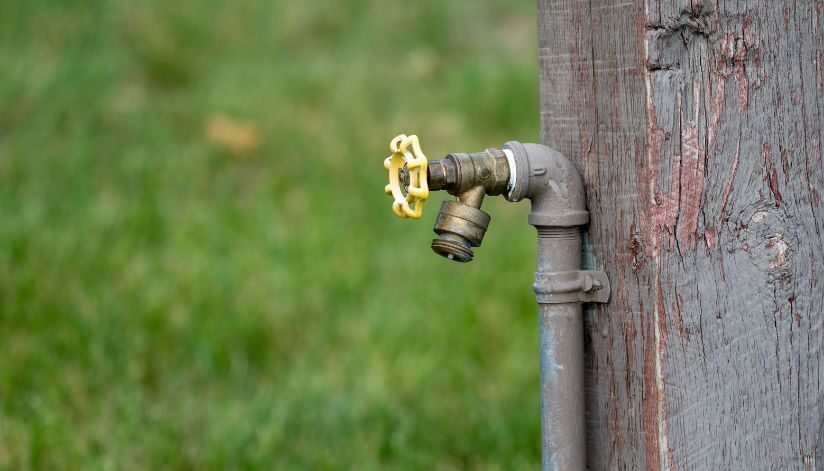
What Your Outdoor Spigot Says About Your Plumbing
As the weather warms up in La Crosse, your outdoor faucet starts getting used again. You hook up a hose, turn the handle, and expect everything to work like it did last year. Sometimes it does. Sometimes you notice something small right away. A drip. Lower pressure. Water showing up where it shouldn’t.
Your outdoor spigot is more than a convenience. It often gives you an early look at what’s going on inside your plumbing system. Catching small issues here can help you avoid bigger problems later.
At Niebuhr Plumbing, Heating and Air Conditioning, we often see outdoor faucet problems that trace back to winter damage or hidden pipe issues.
Winter Damage Does Not Always Show Right Away
Outdoor faucets go through a lot during winter. Even if the water was shut off, a small amount can stay in the line. When that freezes, it expands and can create cracks inside the pipe.
When things thaw out, water starts moving again and can slip through those cracks. The tricky part is that the damage is often inside the wall, not right at the faucet.
Common signs of winter-related damage include:
- A steady drip after turning the faucet off
- Reduced water pressure
- Water pooling near the foundation or along interior walls
These signs might seem minor at first, but they often point to something happening behind the scenes.
Low Pressure Points to Bigger Issues
If your outdoor spigot has weak pressure, there is usually a reason. It could be buildup inside the pipe, a partially closed valve, or damage from freezing.
If the issue is only at the outdoor faucet, it is likely limited to that section of piping. If you start noticing pressure changes inside your home too, the problem may be more widespread.
Low pressure does not always feel urgent, but it rarely fixes itself. It usually gets worse over time.
Leaks That Happen Inside the Wall
One of the more important things your outdoor spigot can reveal is a hidden leak. Freeze damage often causes small cracks in pipes that sit just inside your exterior wall.
When you turn the faucet on, water may leak inside the wall instead of outside where you can see it. This can go unnoticed for a while.
Watch for these signs:
- Water stains on interior walls
- Musty smells near exterior areas
- Higher water usage without a clear reason
These are often the first clues that something is not right.
Backflow and Drainage Issues
Outdoor faucets rely on proper drainage to clear water out of the line. If water sits in the pipe, it increases the chance of damage and wear.
Many systems also include backflow protection to keep water from flowing back into your home’s supply. When these parts wear down, you may notice irregular flow or a faucet that does not shut off cleanly.
These issues are easy to overlook but can affect both performance and water quality.
When a Simple Fix Is Enough
Not every issue points to something major. In some cases, the problem is a worn washer or a loose connection. Those are usually quick fixes.
If the issue is limited to the faucet and not affecting pressure or causing leaks inside, it may not require much work. The key is making sure it is not tied to something deeper in the system.
When to Take a Closer Look
Some signs are harder to ignore and usually mean it is time to have things checked:
- The faucet keeps dripping after it is turned off
- Pressure is noticeably lower than it used to be
- Water shows up inside when the faucet runs
- The issue started after winter
These often point to damage inside the wall or along the supply line.
How to Check Your Outdoor Faucet
At the start of the season, take a few minutes to run your outdoor faucet and look for any changes. A quick check goes a long way.
- Turn the faucet on fully and watch how the water flows.
- Turn it off and check for any dripping or slow leaks.
- Look around the outside of your home and inside the nearest wall for any signs of moisture.
You are not looking for anything complicated, just changes from what you are used to. This quick check can help you catch a problem early before it turns into a larger repair.
Why Early Detection Matters
Outdoor faucet problems often seem small, but they connect directly to your home’s plumbing. A minor drip or pressure change can point to a larger issue.
Catching problems early helps prevent interior damage, mold, higher water bills, and more involved repairs down the line.
Spring is a good time to take a look and make sure everything is working the way it should.
Know What Your Plumbing Is Telling You
Your outdoor spigot is often the first place plumbing issues show up after winter. Paying attention to how it performs gives you a better sense of what is happening behind your walls.
At Niebuhr Plumbing, Heating and Air Conditioning, we help homeowners throughout La Crosse and the surrounding Coulee Region figure out what is going on and take the right next step.
If your spigot is dripping, losing pressure, or acting differently than it used to, call (608) 782-1700 or visit niebuhrplumbing.com/contact to schedule a plumbing inspection and keep everything running smoothly this season.


