How Summer Storms Can Affect Your Sump Pump
Summer in Wisconsin brings plenty of opportunities to enjoy the outdoors. It also brings thunderstorms, heavy rainfall, and sudden downpours that can put your home’s drainage system to the test.
For many homeowners, the sump pump is easy to forget about until a major storm rolls through. The problem is that a sump pump often gets called upon when you need it most. If something is wrong, you may not discover the issue until water starts showing up where it shouldn’t.
At Niebuhr Plumbing, Heating and Air Conditioning, we often hear from homeowners after a storm has already caused problems. Taking a little time to understand how summer weather affects your sump pump can help you avoid unpleasant surprises and keep your basement protected.
Why Summer Can Be Hard on Sump Pumps
Many people associate sump pumps with spring snowmelt, but summer can be just as demanding.
Heavy thunderstorms can drop large amounts of rain in a short period of time. When the ground becomes saturated, excess water begins collecting around your home’s foundation. Your sump pump’s job is to move that water away before it has a chance to enter your basement.
Unlike steady rainfall spread over several days, summer storms often create sudden surges of groundwater. This forces the sump pump to work harder and cycle more frequently.
If the system is already struggling, a major storm can quickly expose the problem.
What Your Sump Pump Actually Does
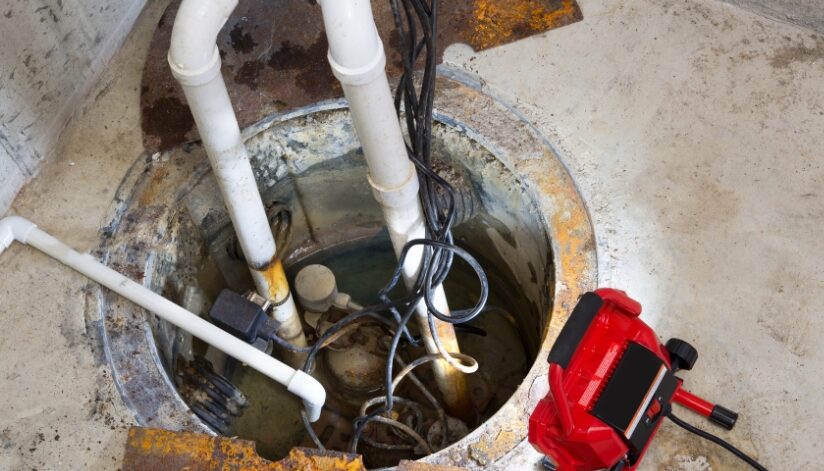
A sump pump sits in a pit, usually located in the lowest part of a basement or crawl space.
As groundwater levels rise, water collects in the pit. Once it reaches a certain level, the pump activates and sends the water away from the home through a discharge pipe.
When everything is functioning properly, most homeowners never notice it working.
The challenge is that many sump pump problems develop gradually and remain hidden until severe weather arrives.
Signs Your Sump Pump May Need Attention
Your sump pump does not have to fail completely before showing warning signs. Many homeowners notice subtle changes before a major issue develops.
Some common signs include:
- Unusual noises during operation
- Frequent cycling even during dry weather
- Visible rust or corrosion
- Excessive vibration while running
If your pump seems different than it did a year ago, it may be worth having it inspected before the next heavy storm arrives.
Don’t Forget About the Discharge Line
The sump pump itself often gets most of the attention, but the discharge line is just as important.
This pipe carries water away from your home. If it becomes blocked, damaged, or improperly positioned, water may not drain effectively.
A discharge line should direct water well away from the foundation. If the water empties too close to the house, it can end up right back where it started.
After a heavy rain, take a quick look outside to make sure water is flowing properly from the discharge point.
Power Outages Create Additional Risk
One challenge unique to summer storms is the potential for power outages.
Thunderstorms frequently bring lightning, strong winds, and downed power lines. Unfortunately, these are often the same storms that create the greatest need for a functioning sump pump.
If the power goes out and your sump pump does not have backup power available, groundwater can begin accumulating in the pit.
This does not mean every home needs a battery backup system, but it is worth understanding how your current setup would respond during a prolonged outage.
Make Testing Part of Your Routine
Fortunately, checking your sump pump is relatively simple.
A basic test only takes a few minutes and can provide peace of mind before storm season intensifies.
You can test your system by:
- Slowly pouring water into the sump pit.
- Watching for the float switch to activate.
- Confirming that water exits through the discharge line.
If the pump fails to activate, runs inconsistently, or struggles to remove water, it may be time for a professional inspection.
Many homeowners are surprised to learn they have a sump pump problem during a simple test rather than during an actual storm.
Age Matters
Like any mechanical equipment, sump pumps do not last forever.
A pump that has worked reliably for years may eventually begin showing signs of wear. Motors, switches, and internal components all experience wear over time.
While lifespan varies depending on usage, an older sump pump deserves closer attention than a newer system.
If your pump has been in place for many years and you are unsure of its condition, an inspection can help determine whether it is still performing as expected.
Small Issues Often Become Bigger Problems
One reason sump pump maintenance is important is that small issues rarely improve on their own.
A float switch that sticks occasionally today may stop working entirely during the next major storm. A discharge issue that seems minor during light rain may become much more significant during a downpour.
Addressing concerns before storm season peaks is often easier and less stressful than dealing with water intrusion after the fact.
A Little Preparation Goes a Long Way
Many homeowners spend time preparing their homes for winter, but summer storms deserve attention too.
Checking your sump pump, verifying proper drainage, and watching for warning signs can help reduce the risk of water problems when heavy rain arrives.
The goal is not to wait until water appears in the basement. The goal is to make sure your system is ready beforehand.
Make Sure Your Sump Pump Is Ready for Storm Season
Summer storms can put significant stress on your sump pump system. Heavy rainfall, saturated soil, and power outages all create challenges that homeowners may not think about until severe weather arrives.
A little preparation now can help provide peace of mind when the next storm rolls through.
At Niebuhr Plumbing, Heating and Air Conditioning, we help homeowners throughout La Crosse and the surrounding Coulee Region evaluate sump pump performance and identify potential concerns before they become larger problems. If you have questions about your sump pump or would like to make sure it is ready for storm season, our team is here to help.
Call 608-782-1700 or visit niebuhrplumbing.com/contact to schedule a sump pump inspection with our team.