What Happens If You Forget to Winterize an Outdoor Faucet?
Forgetting to winterize an outdoor faucet before freezing temperatures arrive does not automatically mean you will have a plumbing problem, but it does increase the risk of freeze damage. Outdoor faucets sit on exterior walls, which exposes them to colder temperatures than much of the plumbing inside your home. If water remains trapped in the faucet or nearby piping and freezes, pressure can build inside the line and damage the faucet, a fitting, or a section of pipe.
At Niebuhr Plumbing, Heating, and Air Conditioning, we see this concern often as temperatures drop across La Crosse and the surrounding Coulee Region. The biggest challenge is that freeze damage does not always show up right away. A pipe might crack while the water inside is still frozen, which means the leak becomes visible only after temperatures rise and the ice begins to thaw.
What Does It Mean to Winterize an Outdoor Faucet?
Winterizing an outdoor faucet means preparing the fixture and connected water line for freezing weather. The exact steps depend on the type of faucet and how your plumbing system is set up, but the goal is always the same. You want to reduce the amount of water left in areas where freezing temperatures could cause damage.
Many newer homes have frost-free outdoor faucets. These fixtures shut water off farther inside the house, where temperatures stay warmer, and they are designed so the remaining water drains from the exterior portion of the faucet. Older homes often have traditional outdoor faucets with separate interior shutoff valves.
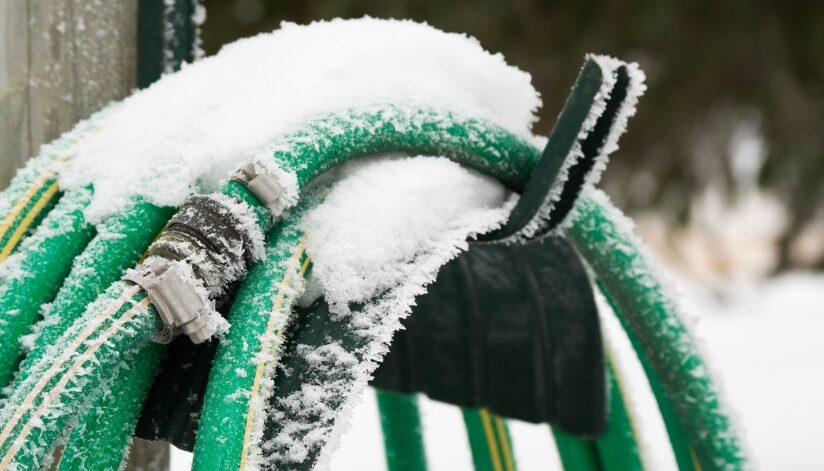
No matter which type you have, disconnecting your garden hose is important. A connected hose, splitter, timer, or nozzle can trap water inside the faucet and prevent proper drainage. Even a frost-free faucet is more vulnerable when water stays trapped where it should have drained away.
What Actually Happens When an Outdoor Faucet Freezes?
When water freezes inside a pipe, it expands and can create a blockage. The biggest problem often develops when water becomes trapped between that ice blockage and a closed faucet. With nowhere for the water to go, pressure inside the line rises and can become strong enough to rupture the pipe.
The damage does not always happen at the exact spot where the ice forms. A pipe can split farther inside the wall, near a fitting, or at another weak point in the line. This is why homeowners sometimes assume the problem is limited to the outdoor faucet when the actual damage is hidden several feet away. The risk also depends on the condition of the plumbing. Older pipes, corroded fittings, or previous repairs may be more vulnerable than newer materials in good condition.
Where Does the Pipe Tend to Break?
There is no single location where a frozen outdoor faucet always fails. Damage can occur at the faucet body, the connection behind the faucet, a fitting inside the wall, or a section of supply piping farther inside the home.
Frost-free faucets have their own common failure pattern. These fixtures use a longer stem so the actual shutoff point sits inside the heated portion of the house. If water remains trapped in the faucet body and freezes, the faucet can split somewhere along that interior tube.
The damage might remain hidden until you use the faucet again. Once water flows through the cracked section, it can leak inside the wall while still appearing to work normally from the outside.
Would You Notice Freeze Damage Right Away?
Not always. In many cases, the ice itself temporarily seals the damaged pipe. That means you might see no dripping water, no puddles, and no obvious signs of trouble while temperatures remain below freezing.
The problem often appears when the weather warms up. As the ice melts, water begins moving through the damaged section again. A crack that seemed harmless during the freeze can suddenly start leaking into a wall, basement, crawl space, or utility area.
This delayed reaction is one of the reasons outdoor faucet damage can go unnoticed. Homeowners sometimes assume everything is fine because there was no visible leak during the coldest weather, only to find water damage later when the pipe thaws.
What Should You Check After a Freeze?
If you forgot to winterize an outdoor faucet and your home experienced freezing temperatures, start by checking the fixture itself. Look for cracks, dripping water, movement around the faucet, or anything else that appears different from normal.
Then check the area inside your home where the faucet enters the wall. Depending on your layout, that might be in a basement ceiling, utility room, crawl space, finished wall, or another hidden area. Look for moisture, water stains, damp insulation, peeling paint, or unusual odors.
After temperatures rise, turn the faucet on and pay close attention to what happens. If possible, have one person run the faucet outside while another checks the inside wall and nearby plumbing. A damaged frost-free faucet may leak only while water is flowing, so this step can help catch a hidden problem.
Why a Faucet Can Leak Only When You Use It
This catches many homeowners by surprise. A frost-free faucet can develop a crack in the body or interior tube while still appearing completely normal when turned off.
That happens because the shutoff point sits farther inside the home. When the faucet is off, water does not reach the damaged section, so there is nothing to leak. Once you turn the faucet on, water begins flowing through the cracked area and can escape inside the wall.
You might still see water coming from the outdoor spout, which makes the problem easy to miss. This is why checking both sides of the wall after winter is a good habit if you know a hose remained attached or the faucet froze.
What If Water Is Coming Out Normally?
Normal flow is a good sign, but it does not guarantee the faucet escaped damage. A cracked faucet or pipe can still deliver water outside while leaking somewhere along the way.
Run the faucet for a few minutes and check the interior wall, basement, or crawl space at the same time. Listen for dripping or running water where you should not hear it. Over the next several hours, watch for stains, moisture, or musty odors.
If the faucet sits above a finished room where the plumbing is hidden, be especially observant. Freeze damage behind drywall or insulation can take time to become visible.
What Should You Do If the Faucet Is Still Frozen?
If you suspect the faucet or connected pipe is frozen, avoid forcing the handle and do not use an open flame to thaw the plumbing. If your home has a dedicated interior shutoff valve for that faucet, close it to limit how much water can escape if a crack is already present.
You should also know where your home’s main water shutoff is located. If the frozen section begins leaking as it thaws, shutting off the water quickly can help limit damage. If you find an active leak, visible crack, or water entering a wall, shut off the appropriate water supply and contact a plumber.
Are Frost-Free Faucets Safe From Freezing?
Frost-free faucets reduce the risk of freezing, but they are not immune to it. Their design depends on water draining out of the exterior section after the faucet is shut off.
A connected garden hose is one of the most common reasons water remains trapped. Hose splitters, timers, and spray nozzles can cause the same problem. Improper installation also matters because the faucet should slope slightly toward the outside so water drains away from the house. If the faucet slopes inward or remains full of water, freezing temperatures can still cause damage.
Should You Use an Outdoor Faucet Cover?
An insulated faucet cover can provide extra protection, especially for older fixtures or faucets in exposed locations. It should not replace proper winterization.
If your plumbing setup includes an interior shutoff valve, closing that valve and draining the exterior line remains important. If you have a frost-free faucet, disconnecting hoses and attachments is still necessary so the fixture can drain as designed. The cover works best as an added layer of protection, not the main defense against freezing.
How Do You Prevent Outdoor Faucet Freeze Damage?
Before freezing weather settles into Western Wisconsin, check every outdoor faucet around your home. Remove garden hoses, splitters, timers, and nozzles. If you have traditional faucets with interior shutoff valves, close the supply and drain the exterior section according to your home’s setup.
For frost-free faucets, make sure water drains after you turn them off. If you notice dripping, poor drainage, loose fittings, or visible damage, address those issues before colder weather arrives.
This is also a good time to locate your main water shutoff and make sure everyone in the household knows where it is. In a plumbing emergency, a few minutes can make a major difference.
What If You Already Forgot to Winterize?
If freezing weather has already arrived, do not assume the faucet is damaged. Disconnect hoses and attachments as soon as conditions allow, then inspect the faucet and the nearby plumbing.
Check again after temperatures rise. Run the faucet and inspect the interior wall or basement for leaks. If you see water, hear dripping, or notice new moisture, shut off the water and have the plumbing inspected.
A frozen outdoor faucet often becomes a bigger problem when the damage stays hidden. Water leaking inside a wall can affect drywall, insulation, flooring, framing, and other materials before you see obvious signs in the living space.
Prepare Your Outdoor Plumbing Before Winter
Forgetting to winterize an outdoor faucet can lead to freeze damage, but the outcome depends on how much water remained in the line, how cold the weather became, and how the plumbing is configured. The safest approach is to disconnect hoses early, use shutoff valves where appropriate, and make sure frost-free faucets drain properly.
If you suspect freeze damage or want help preparing your outdoor plumbing for winter, Niebuhr Plumbing, Heating, and Air Conditioning serves homeowners throughout La Crosse, Onalaska, Holmen, and the surrounding Coulee Region. Our team can inspect the faucet, check the connected plumbing, and help address problems before they turn into larger repairs. Contact Niebuhr to get started.