How Hard Water Affects More Than Just Your Plumbing
If you live in Wisconsin, chances are you have hard water. Most homeowners associate hard water with white buildup on faucets or showerheads, but its effects reach much further than that. Over time, hard water impacts your plumbing, appliances, cleaning routines, and even how your skin and hair feel.
At Niebuhr Plumbing, Heating and Air Conditioning, we often talk with homeowners who are surprised to learn how many everyday frustrations can be traced back to hard water. Understanding those effects helps you make informed decisions about your home’s water quality and maintenance needs.
What Is Hard Water?
Hard water contains higher levels of naturally occurring minerals, primarily calcium and magnesium. As groundwater moves through rock and soil, it picks up these minerals before reaching your home.
Hard water is not harmful to drink, but it does leave behind deposits known as scale. Over time, that scale can accumulate throughout your plumbing system and on anything that regularly comes into contact with water.
In Wisconsin, hard water is extremely common. Many homeowners simply get used to its effects without realizing there may be solutions available.
The Impact On Your Plumbing System
One of the biggest concerns with hard water is what happens inside your pipes.
As mineral deposits build up, the inside diameter of pipes gradually becomes smaller. Water can still flow, but it may do so less efficiently than before. This buildup happens slowly, which is why many homeowners do not notice it right away.
Hard water can contribute to:
- Reduced water flow through plumbing lines
- Mineral buildup inside fixtures and valves
- Increased wear on plumbing components
The effects are usually gradual, but over time they can lead to more maintenance and repairs.
Your Water Heater Feels The Effects Too
Water heaters are especially vulnerable to hard water because they heat water every day.
As water is heated, minerals settle at the bottom of the tank. This sediment layer creates a barrier between the heating source and the water itself. As a result, your system must work harder to produce the same amount of hot water.
Over time, homeowners may notice longer wait times for hot water, increased energy usage, or unusual popping and rumbling sounds from the tank.
Tankless water heaters are not immune either. Mineral buildup can develop inside the heat exchanger, reducing efficiency and affecting performance.
Regular maintenance helps, but hard water often accelerates wear on these systems.
Appliances Work Harder
Many household appliances use water every day. Dishwashers, washing machines, coffee makers, and ice makers all feel the effects of mineral buildup over time.
Scale can collect on internal components, reducing efficiency and shortening equipment lifespan. Appliances may need more frequent cleaning or maintenance as deposits accumulate.
Homeowners sometimes assume an appliance is simply getting old when hard water is actually contributing to the decline in performance.
This is one reason many people consider water treatment solutions as a way to protect their investment in household equipment.
Cleaning Becomes More Difficult
Hard water affects how soap and detergents work.
Instead of rinsing cleanly, minerals react with soap and create residue. This residue often appears as soap scum in showers, tubs, and sinks.
You may notice:
- Spots on dishes and glassware
- Soap scum buildup on bathroom surfaces
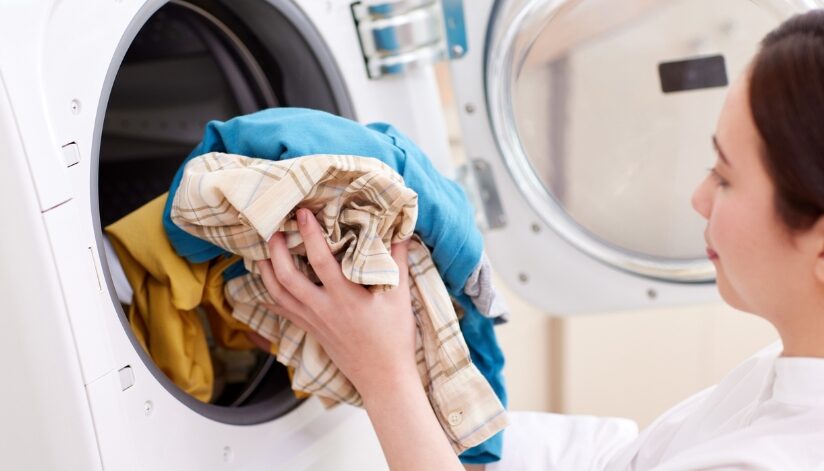
- Laundry that feels stiff or less fresh
- More cleaning products needed to achieve the same results
Many homeowners spend extra time cleaning without realizing hard water is part of the reason.
Even after cleaning, surfaces may continue to look dull because mineral deposits remain behind.
The Effects On Skin And Hair
One of the less obvious effects of hard water is how it impacts personal comfort.
Minerals left behind after bathing can make skin feel dry and hair feel dull or difficult to manage. Soap and shampoo may not rinse as completely as they would with softer water.
Some homeowners report that their skin feels tight after showering or that moisturizers seem less effective.
While hard water is not necessarily the sole cause of these issues, it often contributes to them.
If you notice changes in your skin or hair along with other signs of hard water throughout your home, your water quality may be playing a role.
The White Buildup You See Around Fixtures
For many homeowners, the first visible sign of hard water is the white residue that develops around faucets and showerheads.
These mineral deposits form as water evaporates and leaves calcium and magnesium behind. Over time, buildup becomes more noticeable and harder to remove.
You may find yourself constantly scrubbing faucets only to see the residue return a few weeks later.
That buildup is more than a cosmetic issue. It often indicates similar deposits are forming inside fixtures and plumbing components as well.
How to Tell If Hard Water Is Affecting Your Home
Hard water often leaves multiple clues throughout the house. The more signs you notice, the more likely it is that minerals are affecting your plumbing and daily routines.
Common indicators include:
- White buildup on fixtures and showerheads
- Cloudy spots on dishes and glassware
- Soap scum in tubs and showers
- Dry skin or dull hair
- Reduced appliance efficiency
- Water heaters that seem less effective over time
Many homeowners experience several of these symptoms at once without connecting them to the same source.
Learn More About Your Water Quality
The good news is that hard water is easy to identify.
At Niebuhr, homeowners are welcome to bring in a water sample for free hardness and iron testing. Simply give us a call first, and we can explain where to collect the sample and the best time to stop by.
Knowing what is in your water helps you understand how it may be affecting your home and whether any treatment options make sense for your situation.
Protect Your Home from the Effects of Hard Water
Hard water affects much more than plumbing. It impacts appliances, cleaning routines, water heaters, fixtures, and everyday comfort throughout your home. Because the effects happen gradually, many homeowners do not realize how much hard water is influencing their daily lives.
At Niebuhr, we help homeowners throughout La Crosse and the surrounding Coulee Region better understand their water quality and the options available to protect their homes. Whether you are noticing mineral buildup, appliance issues, or simply have questions about your water, our team is here to help.
Call 608-782-1700 or visit niebuhrplumbing.com/contact to learn more or schedule a water quality evaluation.