How To Prevent Frozen Pipes In Subzero Temps
When winter temperatures drop below zero in La Crosse, your home’s plumbing system faces serious stress. Frozen pipes are one of the most common and costly winter plumbing problems in Wisconsin. They can restrict water flow, reduce efficiency, and in many cases burst and cause extensive water damage. At Niebuhr Plumbing, Heating, and Air Conditioning, frozen pipes are a problem we see far too often during extended cold snaps, especially in older homes and properties that are not fully winterized.
Understanding how to prevent frozen pipes and why they freeze can protect your home, lower repair costs, and help your plumbing system operate efficiently through the harshest winter conditions.
Why Subzero Temperatures Put Pipes At Risk
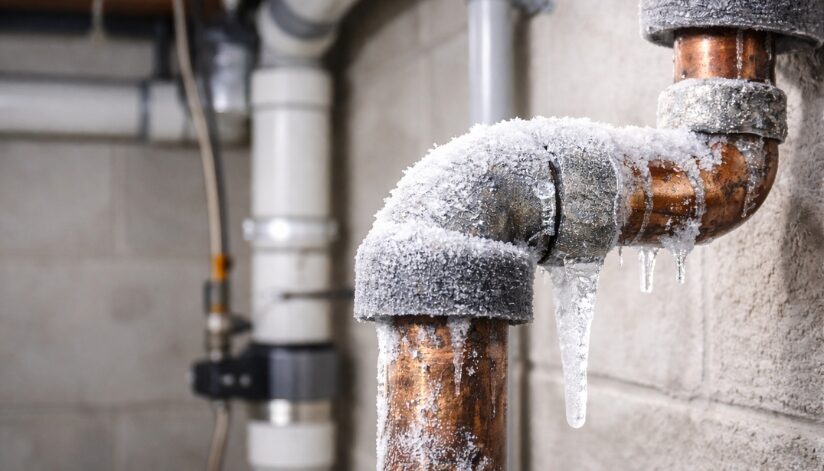
When water freezes, it expands. If water inside a pipe freezes, that expansion puts pressure on the pipe walls. Copper, PVC, and even steel pipes can crack or burst under that pressure. The most dangerous part is that many pipe failures happen after the ice begins to thaw, when water starts flowing again through a weakened section.
Subzero temperatures increase risk because:
- Pipes lose heat faster than they can be warmed by surrounding air
- Plumbing in exterior walls and unheated spaces is exposed to extreme cold
- Heating systems work harder, and uneven heat distribution leaves some areas colder than others
Frozen pipes do not just stop water flow. They strain your plumbing system and often lead to emergency repairs that could have been prevented.
Common Areas Where Pipes Freeze First
Certain areas of the home are more vulnerable during extreme cold. Knowing where to look can help you take targeted preventive steps.
- Pipes are most likely to freeze in:
Exterior walls - Basements and crawl spaces
- Garages
- Attics
- Under kitchen and bathroom sinks located on outside walls
- Near foundation walls or rim joists
Homes in La Crosse with older construction or limited insulation are especially at risk, particularly during overnight subzero temperatures.
How Frozen Pipes Impact Efficiency And Costs
Even before a pipe freezes solid, cold temperatures can reduce plumbing efficiency. Restricted water flow increases pressure within the system and forces fixtures and appliances to work harder. Heating systems may also run longer to compensate for cold spots caused by drafts and poor insulation.
- Efficiency loss can show up as:
Reduced water pressure - Inconsistent hot water delivery
- Higher energy bills
- Increased wear on plumbing fixtures
To prevent frozen pipes is not just about avoiding bursts. It is about maintaining stable system performance throughout winter.
Preventive Steps Homeowners Can Take Before Subzero Temps Hit
Preparation is the most effective way to prevent frozen pipes. These steps should be taken before temperatures drop and maintained throughout winter.
Insulate Exposed Pipes
Pipe insulation is one of the simplest and most effective protections. Foam pipe sleeves or heat tape can significantly slow heat loss.
- Focus on insulating:
Pipes in basements and crawl spaces - Pipes near exterior walls
- Plumbing in garages
- Water supply lines entering the home
Proper insulation helps pipes retain heat longer and reduces strain on your heating system.
Seal Air Leaks And Drafts
Cold air leaks can freeze pipes even if the rest of the home feels warm. Small gaps allow freezing air to circulate around plumbing.
- Seal areas where pipes enter walls or floors using:
Caulk - Expanding foam
- Weatherstripping around nearby doors and windows
Reducing drafts improves both plumbing safety and overall home efficiency.
Keep Interior Temperatures Consistent
Large temperature swings put added stress on pipes. Avoid turning heat down too low overnight, especially during subzero weather.
Maintain a consistent indoor temperature, even when away. This helps keep plumbing in exterior walls warm enough to prevent freezing.
Open Cabinet Doors During Extreme Cold
When temperatures drop well below zero, open cabinet doors under sinks to allow warm air to circulate around pipes. This is especially important for kitchens and bathrooms on exterior walls.
This small step can make a big difference through the night when temperatures dip even lower.
Let Faucets Drip When Necessary
A slow, steady drip keeps water moving and reduces the chance of freezing. This is most effective for fixtures farthest from the water main.
Running water relieves pressure and lowers freezing risk, especially during prolonged subzero conditions.
Disconnect Outdoor Hoses And Shut Off Exterior Faucets
Outdoor plumbing is extremely vulnerable in winter. Disconnect hoses, drain them fully, and shut off exterior water supply valves if available.
Leaving hoses attached traps water and increases the likelihood of frozen or burst outdoor faucets.
How Heating System Performance Affects Plumbing Safety
Your heating system plays a major role in preventing frozen pipes. Uneven heating, clogged filters, or aging equipment can leave parts of the home colder than expected.
To support plumbing safety:
- Change furnace filters regularly
- Keep vents clear and unobstructed
- Address cold spots promptly
- Schedule routine heating maintenance
A well-maintained heating system distributes warmth more evenly and reduces the risk of frozen pipes in hidden areas.
What To Do If You Suspect A Frozen Pipe
If you turn on a faucet and only a trickle comes out, or none at all, a pipe may already be frozen.
If you suspect freezing:
- Keep the faucet open slightly
- Apply gentle heat using a hair dryer or warm towels
- Never use open flames
- Leave cabinet doors open
If you smell gas or see water leaking, stop and call a professional
If a pipe bursts, shut off the main water supply immediately and contact a licensed plumber.
Why Older Homes Face Higher Risk In Wisconsin Winters
Many homes in La Crosse were built decades ago, before modern insulation standards. Older plumbing layouts often place pipes closer to exterior walls with limited protection.
Upgrading insulation, sealing drafts, and reviewing plumbing placement can greatly reduce winter risk and improve efficiency long term.
When Professional Help Makes Sense
While many preventive steps are DIY friendly, professional inspections can identify vulnerabilities you may not see. A plumbing and heating professional can assess insulation gaps, heating performance, and pipe placement before a problem occurs.
At Niebuhr, we help homeowners prepare their systems for extreme cold and respond quickly when winter plumbing issues arise.
Prevent Frozen Pipes And Protect Your Home
Subzero temperatures are part of life in Wisconsin, but frozen pipes do not have to be. With proper insulation, consistent heating, and a few proactive habits, homeowners can protect their plumbing, reduce system strain, and avoid costly repairs.
If you have concerns about frozen pipes, heating performance, or winter readiness, Niebuhr is here to help homeowners throughout La Crosse and the surrounding area. Contact us to schedule service and keep your home safe, efficient, and protected through the coldest months of the year.