Should You Turn Off Your Furnace in Spring?
As winter fades and temperatures begin to rise in La Crosse, many homeowners start asking the same question: should you turn off your furnace in spring? Some days feel warm enough to open windows. Other days still require heat in the morning or at night.
This in-between season creates confusion. Turning your furnace off too early can leave your home uncomfortable. Leaving it running all day can waste energy. The key is knowing how to manage your system during these temperature swings.
At Niebuhr Plumbing, Heating and Air Conditioning, we help homeowners navigate this seasonal transition every year. Here is what you should know before you shut your system down.
Why Spring Temperatures Make This Complicated
March and April rarely bring consistent weather in Wisconsin. Temperatures can swing 30 to 60 degrees in a single day. Cold mornings often require heat, while sunny afternoons warm your home naturally.
Because of this, your furnace cycles more frequently. It turns on during cooler periods and shuts off when temperatures rise. This stop-and-start pattern is normal, but it can make it feel like your system is running inefficiently.
That is why the decision to turn your furnace off should not be based on one warm day. It should be based on consistent outdoor temperatures and your home’s comfort level.
When It Makes Sense to Turn Off Your Furnace
You can consider turning off your furnace when overnight temperatures stay consistently above 45 to 50 degrees. At that point, your home holds enough heat during the day to remain comfortable without constant heating.
Other signs it may be time include:
- You are no longer adjusting the thermostat for heat
- Your home stays comfortable overnight without the furnace
- You are opening windows regularly during the day
- Heating cycles become very short or infrequent
If these conditions apply for several days in a row, your furnace is no longer doing much work.
Instead of turning it off completely right away, many homeowners simply stop using the heat setting and leave the system on standby.
Why You Should Not Turn It Off Too Early
Turning your furnace off too early can create new problems.
Spring weather is unpredictable. A sudden cold snap can drop temperatures quickly. Without your furnace ready to go, your home may become uncomfortable overnight.
You may also notice:
- Cold indoor temperatures in the early morning
- Increased reliance on space heaters
- Uneven heating throughout the home
Keeping your system available ensures you are prepared for temperature drops without scrambling for a solution.
A better approach is to leave your furnace accessible while gradually reducing its use.
Use Your Thermostat to Manage the Transition
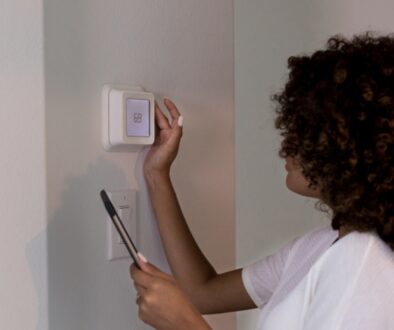
Your thermostat plays a major role during spring. Instead of shutting your furnace off completely, adjust how it runs.
Practical thermostat strategies include:
- Lower the set temperature by a few degrees
- Avoid large temperature swings
- Use programmed settings for mornings and evenings
- Turn off heat during warmer daytime hours
Smart thermostats make this process easier. They adjust automatically based on your schedule and reduce unnecessary run time.
This approach helps you stay comfortable while avoiding wasted energy.
Use the Fan Setting for Air Circulation
Spring often creates uneven temperatures throughout your home. Some rooms warm up quickly from sunlight. Others stay cooler.
Using the fan setting on your thermostat helps circulate air without turning on the heat. This redistributes warm air and evens out temperatures.
Running the fan periodically can:
- Reduce hot and cold spots
- Improve comfort without increasing energy use
- Help your home feel warmer at lower thermostat settings
This is especially useful during mild afternoons when heating is not needed but air movement improves comfort.
Do Not Forget About Maintenance
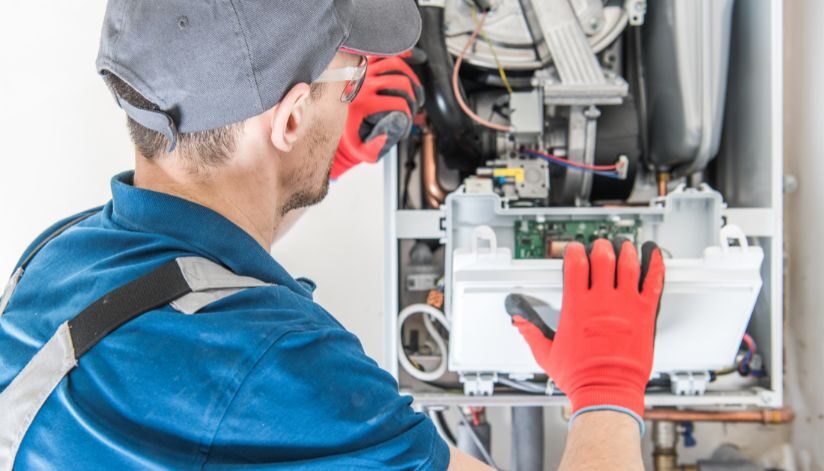
Spring is the ideal time to think about furnace maintenance, even if you are using it less.
After a long winter, your system has experienced months of heavy use. A post-season inspection ensures everything is in good condition before it sits idle.
A professional inspection includes:
- Checking key components for wear
- Cleaning internal parts
- Testing system performance
- Identifying minor issues early
This helps prevent problems when you turn your system back on in the fall.
When to Fully Shut It Down
Once temperatures remain consistently mild and you are no longer using heat at all, you can fully shut down your furnace for the season.
At this point:
- Turn off the heat setting at the thermostat
- Replace or clean the air filter
- Schedule maintenance if needed
You do not need to shut off power to the system entirely unless advised by a professional.
The goal is to leave the system ready for the next heating season while reducing unnecessary operation.
Prepare for the Cooling Season
As you reduce furnace use, your focus shifts to cooling. Spring is the right time to prepare your air conditioning system.
Before turning on your AC, make sure:
- Your air filter is clean
- The outdoor unit is clear of debris
- Your thermostat is set correctly
- You schedule a seasonal inspection if needed
Taking these steps early helps prevent issues when warmer weather arrives.
Stay Comfortable Through the Transition
If you are wondering should you turn off your furnace in spring, the answer depends on consistency. Wait until temperatures stabilize before shutting it down completely. In the meantime, adjust your thermostat, use airflow to your advantage, and reduce unnecessary heating.
At Niebuhr Plumbing, Heating and Air Conditioning, we help homeowners throughout La Crosse and the surrounding Coulee Region manage seasonal transitions with confidence. Whether you need a furnace inspection or are preparing for cooling season, our team is here to help.
Call (608) 782-1700 or visit niebuhrplumbing.com/contact to schedule your seasonal HVAC service and keep your home comfortable through every change in temperature.