Why Your Basement Feels Damp in Early Spring
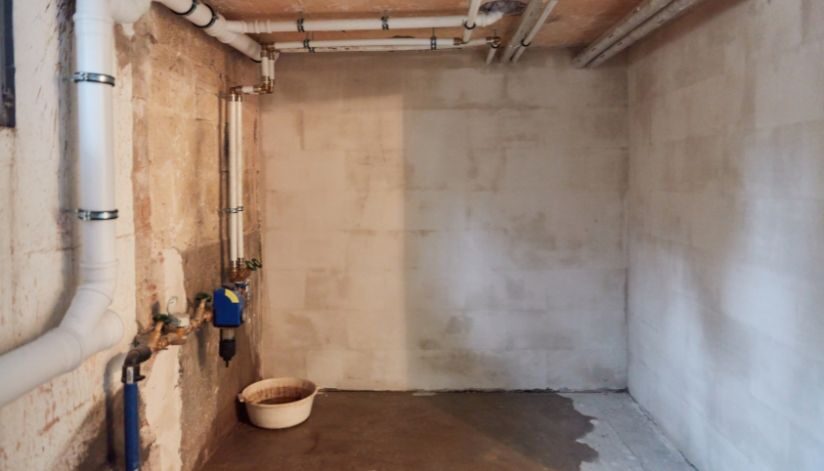
When snow begins to melt and spring rain moves into La Crosse, many homeowners notice the same issue: a damp basement in spring. You might smell something musty when you head downstairs. You might see dark patches forming along the walls. In some cases, you may even notice small amounts of water collecting near the floor.
A damp basement in spring is common in Wisconsin, but it should never be ignored. Snowmelt, steady rainfall, and wide temperature swings all increase moisture around your foundation. Understanding what causes it helps you prevent long-term structural damage, mold growth, and costly repairs.
How Snowmelt Increases Hydrostatic Pressure
During winter, frozen ground traps moisture around your home. When temperatures rise in March and April, snow melts quickly and saturates the soil. Add heavy spring rain to the mix, and the ground becomes oversaturated.
This creates hydrostatic pressure. Hydrostatic pressure is the force of water pushing against your foundation walls. When soil cannot absorb additional moisture, water looks for the path of least resistance. It pushes through small cracks, porous concrete, mortar joints, and even tiny gaps where the wall meets the floor.
Even hairline cracks that seemed harmless during winter can allow moisture to enter when pressure builds.
Common signs of hydrostatic pressure include:
- Damp patches along foundation walls
- White powder residue on concrete, known as efflorescence
- Water pooling near the base of walls
- A stronger musty odor after heavy rainfall
The pressure does not need to be extreme to cause issues. Repeated seasonal saturation gradually weakens materials over time.
Condensation vs. Seepage vs. Plumbing Leaks
Not all basement moisture comes from outside. Identifying the source of your damp basement in spring is critical before deciding on a solution.
Condensation
Spring brings fluctuating temperatures. Warm, humid outdoor air enters your basement and meets cool concrete walls or pipes. Moisture forms on surfaces, similar to water droplets on a cold beverage. Condensation often appears evenly across walls, pipes, or ductwork.
Seepage
Seepage comes from outside moisture penetration. It usually appears in specific areas, especially near foundation cracks, window wells, or along floor joints. The problem typically worsens after heavy rain or rapid snowmelt.
Plumbing leaks
Hidden plumbing leaks can mimic foundation problems. Signs include localized staining, soft drywall, active dripping sounds, or damp areas that appear regardless of weather conditions. If moisture persists during dry periods, plumbing may be the culprit.
Proper diagnosis prevents unnecessary repairs and ensures the right fix.
Signs of Hidden Moisture Behind Walls
Early spring is often when hidden moisture becomes noticeable. Pay attention to subtle warning signs, including:
- Peeling paint or bubbling wall surfaces
- Warped baseboards or trim
- Soft or crumbling drywall
- Persistent musty odors
- Visible mold growth in corners
Musty smells are often the first sign of trouble. Mold can begin growing within 24 to 48 hours when moisture is present. Even if you cannot see water, moisture trapped behind finished walls can lead to structural and air quality concerns.
Sump Pump and Discharge Line Issues
If your home relies on a sump pump, spring is its busiest season. Snowmelt raises the groundwater table, and your system works harder to keep water out of your basement.
Common spring sump pump problems include:
- Frozen discharge lines that only partially thaw
- Discharge pipes that release water too close to the foundation
- Pumps cycling too frequently
- Slow drainage away from the home
If discharge water flows back toward your foundation, soil remains saturated. This increases hydrostatic pressure and contributes to a damp basement in spring.
Make sure your discharge line extends several feet away from your home and that the outlet remains clear of debris.
The Role of Indoor Humidity
Sometimes the issue is not foundation failure but indoor humidity.
Basements stay cooler than the rest of your home. When spring air carries higher humidity levels, moisture settles on cool concrete and metal surfaces. This often creates dampness that looks like seepage.
Use a hygrometer to measure humidity levels. Indoor humidity should stay between 30 and 50 percent. If levels remain above 50 percent, mold growth risk increases significantly.
Running a dehumidifier in early spring often resolves minor condensation problems and improves overall comfort.
Grading and Drainage Improvements
Exterior drainage plays a major role in preventing moisture issues.
Check the following:
- Soil slopes away from the foundation
- Gutters are clean and free-flowing
- Downspouts extend at least five feet away from the home
- Window wells are clear of debris
- Foundation cracks are sealed
Even minor grading adjustments can significantly reduce water intrusion. Poor drainage is one of the most common contributors to a damp basement in spring.
When to Call a Professional for an Assessment
Some moisture issues are manageable with routine maintenance. Persistent dampness is not.
Schedule a professional assessment if you notice:
- Water actively entering through foundation cracks
- Mold growth spreading along walls
- A sump pump running constantly
- Multiple damp areas after every rainfall
- Water stains that continue to expand
Ignoring early signs often leads to structural damage, mold remediation costs, and damaged flooring or stored belongings.
Protect Your Basement This Spring
A damp basement in spring often starts with snowmelt, rainfall, and shifting temperatures. Hydrostatic pressure, condensation, drainage issues, and hidden plumbing leaks all play a role. The key is identifying the true source early.
While foundation repairs require a foundation specialist, the team at Niebuhr Plumbing, Heating and Air Conditioning can evaluate your situation to determine whether the moisture is related to plumbing, sump pump performance, discharge line issues, or a potential foundation concern. Identifying the correct cause is the first and most important step
We provide plumbing inspections, sump pump service, and drainage evaluations for homeowners throughout La Crosse and the surrounding Coulee Region. If the issue is plumbing-related, our team can address those repairs. If the moisture appears to be coming from the foundation, we can help you understand the problem and recommend the appropriate type of foundation professional to contact.
Do not wait for a small moisture issue to become a major repair. Contact Niebuhr today at 608-782-1700 or visit niebuhrplumbing.com/contact to schedule a professional basement inspection and keep your home dry this spring.