
What’s Lurking in Your Drains After Winter?
As temperatures rise in La Crosse and snow begins to melt, many homeowners notice a frustrating issue inside the house. Sinks drain slower. Showers leave standing water. Kitchen basins gurgle before clearing. If you are dealing with a slow drain after winter, the cause likely started months ago.
Winter habits quietly impact your plumbing. Heavy cooking, increased indoor water use, and colder pipe temperatures all contribute to buildup inside your drain lines. By early spring, those small deposits create noticeable restrictions.
Here is what is often lurking in your drains after winter and why addressing it now prevents bigger problems later.
Grease and Fat from Winter Cooking
Winter means more time in the kitchen. Holiday meals, roasting, baking, and comfort foods all increase grease and fat disposal. Even if you avoid pouring grease directly down the drain, small amounts rinse off plates and pans during dishwashing.
When grease enters your pipes, it travels as a liquid but cools quickly. As it cools, it solidifies and sticks to the inner walls of the drain line. Over time, that layer thickens and narrows the pipe opening.
Cold pipe temperatures during winter make the situation worse. Grease hardens faster in cooler plumbing lines, especially in pipes that run along exterior walls or through unheated spaces.
By spring, this buildup often leads to a slow drain after winter, particularly in kitchen sinks.
Common warning signs include:
- Water pooling before slowly draining
- Gurgling sounds after running the faucet
- Unpleasant odors from the sink
- Minor backups when using the disposal
If not cleared, grease buildup eventually causes a full blockage.
Soap Scum and Mineral Scale
Bathroom drains experience their own version of winter buildup. Longer hot showers and increased laundry loads during cold months add strain to plumbing systems.
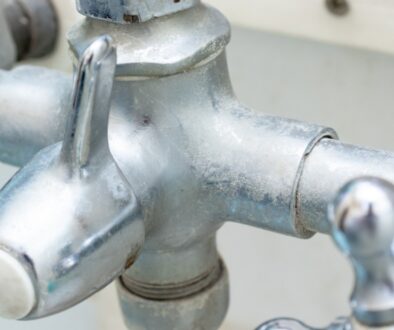
Soap combines with minerals in hard water to form soap scum. This residue clings to pipe walls and gradually reduces water flow. In homes with hard water, mineral deposits create an additional layer of scale inside the pipes.
Over several months, the internal diameter of the pipe narrows. By March, many homeowners begin noticing a slow drain after winter in bathtubs and bathroom sinks.
Signs of soap scum and scale buildup include:
- Standing water in the shower
- Slow-draining bathroom sinks
- Visible white residue around fixtures
- Reduced water pressure during use
If your water softener has not been functioning properly, mineral accumulation may accelerate this process.
Garbage Disposal Overuse
Holiday gatherings and winter cooking often mean heavier garbage disposal use. Fibrous vegetables, coffee grounds, pasta, rice, and eggshells frequently make their way into the drain.
While disposals grind food waste, they do not eliminate it. Small particles continue down the drain line.
Starches expand with moisture and form thick paste-like deposits. Fibrous materials wrap around internal components and catch additional debris.
These materials collect gradually. By early spring, they restrict flow enough to cause a slow drain after winter in the kitchen.
Disposal-related warning signs include:
- Water backing up into a second sink basin
- Persistent food odors
- A humming sound without effective grinding
- Slower drainage only in the kitchen
Addressing these symptoms early prevents larger clogs.
Why Problems Surface in Spring
Many homeowners wonder why drains seem worse once winter ends. Several factors contribute.
First, as temperatures rise, hardened grease softens slightly and shifts inside the pipe. This movement can temporarily worsen restrictions.
Second, spring often brings increased water usage. Cleaning projects, laundry, and seasonal routines add stress to already narrowed pipes.
Finally, minor winter buildup that went unnoticed becomes obvious when water flow increases.
Spring is the ideal time to address a slow drain after winter before the problem escalates into a complete blockage.
When a Slow Drain Signals a Larger Sewer Issue
Not every slow drain is isolated to one fixture. If multiple drains slow down at once, the issue may involve the main sewer line.
Warning signs of a larger problem include:
- Multiple fixtures draining slowly
- Gurgling sounds in toilets
- Water backing up into the basement floor drains
- Sewage odors
As soil thaws in early spring, tree roots begin seeking moisture. Roots often grow toward sewer lines and can infiltrate small cracks. Combined with winter grease buildup, root intrusion significantly restricts flow.
If widespread drainage problems appear, professional inspection is necessary to avoid costly sewer backups.
Preventing Future Drain Buildup
Once you clear a slow drain after winter, simple habits help prevent recurrence.
- Dispose of grease in a sealed container instead of the sink
- Wipe pans with paper towels before washing
- Use drain strainers to catch hair and debris
- Avoid putting fibrous or starchy foods in the disposal
- Maintain your water softener if your home has hard water
Routine maintenance significantly reduces buildup over time.
When to Call a Professional
Minor slowdowns sometimes improve with simple cleaning. Persistent or recurring drainage problems require professional evaluation.
Contact a plumber if you notice:
- Standing water that does not drain
- Frequent clogs
- Foul odors
- Backups in lower-level drains
- Multiple fixtures draining slowly
Chemical drain cleaners often damage pipes and fail to remove deep buildup. Professional tools such as mechanical augers or hydro jetting clear lines thoroughly and safely.
Keep Your Drains Flowing This Spring
A slow drain after winter often results from months of grease accumulation, soap residue, and heavy disposal use. The problem builds gradually, but it rarely resolves on its own.
If your sinks, tubs, or showers are draining slower than usual, the team at Niebuhr Plumbing, Heating and Air Conditioning can identify the source and restore proper flow. We serve homeowners throughout La Crosse and the surrounding Coulee Region with professional drain cleaning and plumbing inspections designed for Wisconsin homes.
Do not wait for a slow drain to turn into a costly backup. Call Niebuhr today at 608-782-1700 or visit niebuhrplumbing.com/contact to schedule professional drain service and keep your plumbing system running smoothly this spring.