What Happens When You Ignore a Small Plumbing Leak?
A dripping faucet. A small puddle under a sink. A toilet that occasionally runs longer than it should. These types of plumbing issues are easy to dismiss because they often seem minor at first.
Many homeowners put off addressing small leaks because they do not appear urgent. After all, if the leak has been there for weeks or even months without causing obvious damage, it is tempting to assume it is not a serious problem.
Unfortunately, plumbing leaks rarely improve on their own. In many cases, what starts as a small inconvenience gradually turns into a larger and more expensive issue.
At Niebuhr Plumbing, Heating and Air Conditioning, we often help homeowners who wish they had addressed a leak sooner. Understanding the potential consequences of even a small leak can help you make informed decisions about your home’s plumbing system.
Small Plumbing Leaks Often Waste More Water Than You Think
One reason small leaks get overlooked is that the amount of water seems insignificant.
A faucet that drips occasionally or a toilet that runs intermittently may not seem like it is wasting much water. However, small amounts add up surprisingly quickly.
A leak that continues day after day can waste thousands of gallons of water over time. Many homeowners do not realize the impact until they receive a higher-than-expected utility bill.
Sometimes the first sign of a plumbing problem is not visible water. It is a noticeable increase in monthly water usage.
Water Has a Way of Finding Vulnerable Areas
Unlike a major pipe burst, small leaks often develop slowly.
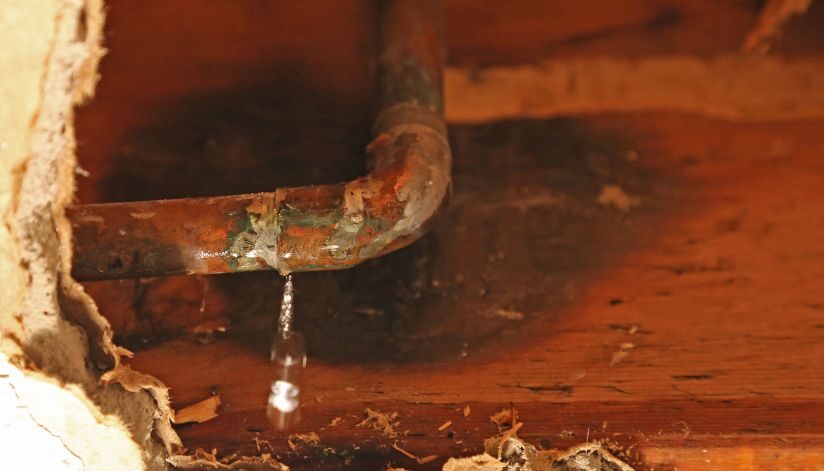
This gradual process can make them difficult to notice. Water may drip behind a cabinet, inside a wall, beneath flooring, or into other hidden areas where damage occurs out of sight.
Because the leak is small, homeowners often assume it is not causing much harm. The reality is that water does not need a large opening to create problems.
Over time, moisture can affect:
- Drywall
- Flooring
- Cabinetry
By the time visible signs appear, the damage may already be extensive.
Mold and Mildew Thrive in Damp Environments
Moisture creates ideal conditions for mold and mildew growth.
Even a slow leak can provide enough moisture to support growth behind walls, beneath sinks, or in other hidden spaces. Because these areas are often out of sight, homeowners may not realize there is a problem until odors develop or visible signs appear.
You might notice a musty smell, discoloration on surfaces, or areas that never seem completely dry.
The longer excess moisture remains present, the greater the opportunity for mold and mildew to spread.
Small Plumbing Leaks Can Damage Building Materials
Many building materials are not designed to withstand continuous exposure to water.
Wood can weaken, drywall can deteriorate, and flooring materials may warp or become damaged. Over time, even a relatively minor leak can affect the structural integrity of the materials surrounding it.
The challenge is that this damage often occurs gradually.
What begins as a simple plumbing repair can become a larger restoration project if the leak is allowed to continue for months or years.
Leaks Can Attract Unwanted Pests
Many homeowners do not associate plumbing leaks with pest problems, but moisture attracts a variety of insects and other pests.
Damp areas beneath sinks, inside walls, or around plumbing fixtures create environments that certain pests find appealing.
While every situation is different, reducing unnecessary moisture helps eliminate one of the conditions that pests often seek out.
Addressing leaks promptly is one way to help protect both your plumbing system and your home environment.
Some Leaks Are More Hidden Than Others
Not every leak announces itself with dripping water.
In fact, some of the most damaging leaks remain hidden for long periods of time. A small pipe leak inside a wall may continue unnoticed until significant damage has already occurred.
Some signs that may indicate a hidden leak include:
- Unexpected increases in water bills
- Damp or discolored walls
- Musty odors
- Water stains on ceilings or floors
These warning signs are worth investigating, especially if they appear without an obvious explanation.
Small Plumbing Leaks Often Become Larger Ones
One of the biggest reasons to address leaks early is that plumbing issues tend to worsen over time.
A worn seal may continue deteriorating. A loose connection may gradually leak more water. Corrosion may spread throughout a pipe or fitting.
What could have been a relatively simple repair today may become a more involved project later.
While every situation is different, early intervention is often less disruptive than waiting until a problem becomes impossible to ignore.
Don’t Ignore Running Toilets
When people think about leaks, they often picture dripping faucets or visible water.
Running toilets deserve attention as well.
A toilet that continues running after a flush can waste a surprising amount of water over time. Because the water remains inside the fixture, homeowners sometimes overlook the issue for months.
If a toilet seems to run longer than normal or cycles on and off by itself, it is worth having the cause identified.
What Should You Do If You Notice a Small Plumbing Leak?
The first step is simple: do not assume the problem will go away.
Pay attention to changes in water usage, signs of moisture, unusual odors, or visible water around fixtures. Even if the leak appears small, monitoring the situation closely can help prevent larger issues.
If the source of the leak is unclear or the problem continues, a professional inspection can help determine what is happening and what solutions may be available.
Small Leaks Deserve Attention
It is easy to overlook a minor plumbing leak when everything else in the home seems to be functioning normally. However, water has a way of creating larger problems when given enough time.
Addressing small leaks early often helps reduce water waste, limit property damage, and avoid more extensive repairs in the future.
At Niebuhr Plumbing, Heating and Air Conditioning, we help homeowners throughout La Crosse and the surrounding Coulee Region identify plumbing concerns and better understand their options. Whether you have noticed a slow drip, unexplained moisture, or a change in your water usage, our team is here to help.
Call 608-782-1700 or visit niebuhrplumbing.com/contact to schedule a plumbing evaluation with our team.