Are Touchless Faucets Worth It?
Walk through a kitchen showroom today and you will likely see at least a few touchless faucets on display. What was once considered a luxury feature has become increasingly common in both kitchens and bathrooms. But many homeowners still ask the same question: are touchless faucets worth it?
The answer depends on how you use your space, what features matter most to you, and whether convenience is worth the additional investment.
At Niebuhr Plumbing, Heating and Air Conditioning, we help homeowners evaluate fixture upgrades every day. For many families, touchless faucets offer benefits that go beyond simply looking modern.
Here’s what to know before deciding if a touchless faucet is right for your home.
How Touchless Faucets Work
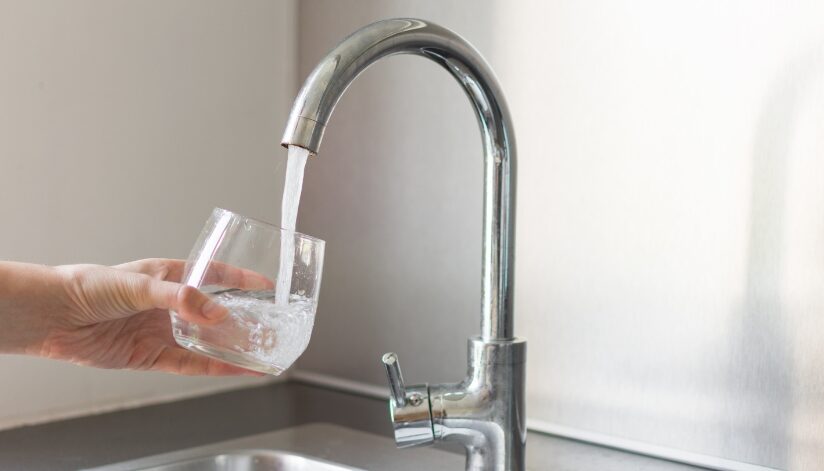
Touchless faucets use motion sensors to detect movement near the fixture. When your hands move into range, water turns on automatically. When you move away, the water shuts off.
Most models operate using batteries, while some connect directly to household power. The faucet still functions like a traditional fixture, allowing you to adjust temperature and flow settings.
The technology has improved significantly over the years. Modern sensors are generally reliable and designed to reduce accidental activation.
Why Homeowners Like Touchless Faucets
Convenience is often the biggest selling point.
Think about preparing dinner. Your hands are covered in raw meat, dough, or cooking ingredients. Instead of touching the faucet handle, you simply place your hands under the sensor.
The same benefit applies when washing dishes, cleaning up after a project, or helping children wash their hands.
Many homeowners appreciate touchless faucets because they:
- Reduce mess on faucet handles
- Make handwashing easier during cooking and cleanup
- Improve accessibility for children and older adults
While these may seem like small conveniences individually, they add up over years of daily use.
Improved Hygiene
One reason touchless fixtures became especially popular in recent years is hygiene.
Traditional faucets require you to touch the handle before washing your hands and again when turning the water off. With a touchless faucet, you eliminate those extra contact points.
While a faucet alone will not transform your home’s cleanliness, reducing contact with frequently touched surfaces is something many homeowners appreciate.
This benefit is especially noticeable in busy households where multiple family members use the same bathroom or kitchen throughout the day.
Water Conservation Benefits
Another advantage is water savings.
Because the faucet shuts off automatically, water is less likely to run longer than necessary. Children are less likely to leave it on, and adults are less likely to become distracted during tasks.
The savings vary from household to household, but reducing unnecessary water usage can lower utility costs over time.
For homeowners interested in conservation, this is often an appealing feature.
Potential Drawbacks To Consider
Like any fixture upgrade, touchless faucets are not perfect.
The initial cost is typically higher than a standard faucet. While prices have become more competitive, touchless models generally require a larger investment upfront.
There is also additional technology involved. Batteries eventually need replacement, and electronic components may require service over time.
Some homeowners occasionally find sensor activation overly sensitive, although modern models have improved significantly in this area.
Potential drawbacks include:
- Higher upfront cost
- Battery replacement or power requirements
- More components than a traditional faucet
For many homeowners, these tradeoffs are relatively minor compared to the convenience they gain.
Are Touchless Faucets Reliable?
This is one of the most common questions homeowners ask when considering a touchless faucet.
Early versions sometimes struggled with inconsistent sensors or shorter component lifespans. Today’s models are much more dependable and have benefited from years of technological improvements.
As with any plumbing fixture, quality matters. Well-built touchless faucets are designed for everyday use and can provide years of reliable performance when properly installed and maintained.
Like traditional faucets, their longevity often depends on several factors, including water quality, usage habits, and routine maintenance. Hard water, for example, can contribute to mineral buildup over time, which may affect performance if not addressed.
While touchless faucets do have more components than traditional models, most homeowners find that modern designs are reliable enough for daily use. When installed correctly and paired with regular maintenance, they can be a practical upgrade that combines convenience with long-term functionality.
Are They Worth It In The Bathroom?
Touchless faucets are often associated with kitchens, but they offer benefits in bathrooms as well.
Because bathroom sinks are used frequently throughout the day, touchless operation can reduce water waste and help keep fixtures cleaner.
Families with children often appreciate not having to remind kids to fully turn the faucet off. The automatic shutoff feature handles that automatically.
While the convenience may be less dramatic than in a kitchen setting, many homeowners enjoy the added functionality.
When A Traditional Faucet May Make More Sense
Touchless faucets are not the right fit for every household.
If you are simply replacing a worn fixture and want the most budget-friendly option, a traditional faucet may be the better choice.
Likewise, if you prefer simple mechanical fixtures with fewer electronic components, you may not find enough value in the added technology.
The decision ultimately comes down to your priorities and how you use the space.
Questions To Ask Before Upgrading
Before choosing a touchless faucet, consider:
- How often is this sink used each day?
- Would hands-free operation make daily tasks easier?
- Are you already planning a kitchen or bathroom update?
- Is convenience worth the additional investment?
Answering these questions often helps clarify whether the upgrade makes sense for your home.
Is A Touchless Faucet Right For You?
So, are touchless faucets worth it? For many homeowners, the answer is yes. They offer convenience, cleaner operation, reduced water waste, and modern functionality that fits naturally into everyday life.
At Niebuhr, we help homeowners throughout La Crosse and the surrounding Coulee Region select and install fixtures that fit their needs and budget. Whether you are considering a touchless faucet or planning a larger kitchen or bathroom upgrade, our team is here to help.
Call 608-782-1700 or visit niebuhrplumbing.com/contact to discuss your next plumbing upgrade and find the right solution for your home.