What Is That White Buildup Around Your Faucets?
You clean your bathroom sink, polish the faucet, and everything looks great. A few weeks later, the white residue is back again.
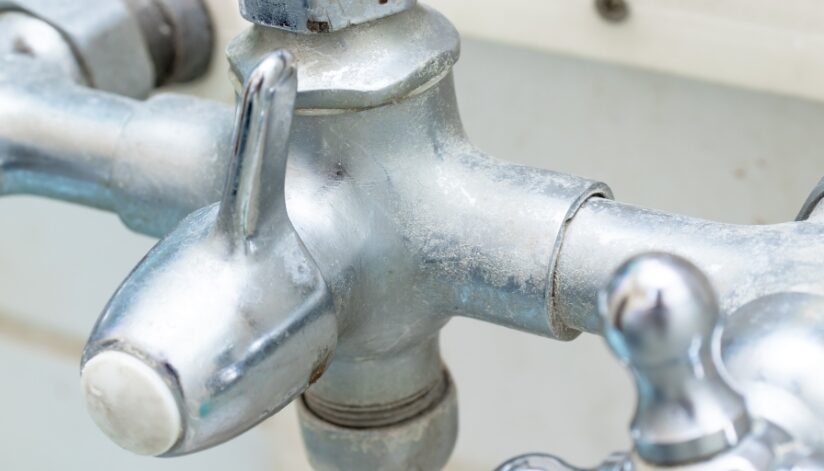
If you’ve ever noticed a chalky white buildup around your faucets, showerheads, or sink fixtures, you’re not alone. This is one of the most common water-quality concerns homeowners in Wisconsin experience. While it may seem like a cosmetic issue, those deposits can tell you quite a bit about what’s happening inside your plumbing system.
At Niebuhr Plumbing, Heating and Air Conditioning, we frequently get questions about mineral buildup and what homeowners should do about it.
Understanding the cause is the first step toward managing it.
What Causes White Buildup On Faucets?
In most cases, the white residue around faucets is caused by hard water minerals.
As water flows through the ground, it naturally picks up minerals like calcium and magnesium. When that water reaches your home and evaporates from a faucet or fixture, the minerals remain behind.
Over time, those minerals accumulate and form the white, chalky deposits many homeowners notice around faucets, showerheads, and drains.
Because hard water is common throughout Wisconsin, this buildup is something many homeowners deal with regularly.
Why Does It Keep Coming Back?
One of the most frustrating things about mineral deposits is how quickly they return.
You can scrub away the visible residue, but every time water dries on the surface, new minerals are left behind. The process repeats over and over again.
The more frequently a fixture is used, the more noticeable the buildup tends to become. Bathroom faucets, kitchen faucets, and showerheads often show signs first simply because they see the most daily use.
This is why cleaning alone rarely solves the problem permanently.
It’s Not Just Happening on the Outside
The buildup you see on fixtures is often only part of the story.
Minerals do not limit themselves to exposed surfaces. The same deposits can develop inside plumbing fixtures, valves, appliances, and water-using equipment throughout your home.
Over time, mineral accumulation can restrict water flow and affect performance.
Common places where buildup occurs include:
- Faucet aerators
- Showerheads
- Water heater components
Because these areas are out of sight, many homeowners do not realize the buildup is occurring until they notice performance issues.
How Mineral Deposits Affect Water Pressure
One of the most common symptoms of hard water buildup is reduced water pressure.
Faucet aerators contain small openings that help regulate water flow. As minerals collect inside those openings, less water can pass through. The result is often a faucet or showerhead that seems weaker than it used to.
In many cases, removing and cleaning the aerator restores normal flow. However, if buildup has been occurring for years, replacement may be the better option.
Your Water Heater Feels the Effects Too
Water heaters are particularly vulnerable to mineral buildup.
As water is heated, minerals separate from the water and settle inside the tank. Over time, sediment accumulates along the bottom.
This buildup forces the water heater to work harder to heat water effectively. It can also contribute to strange noises, reduced efficiency, and a shorter equipment lifespan.
Many homeowners are surprised to learn that the white buildup around their faucet may be connected to what is happening inside their water heater.
The Impact on Cleaning
Mineral deposits often make cleaning more difficult than it should be.
You may notice spots on glassware, residue on sinks, or soap scum that seems impossible to remove. Hard water affects how soap interacts with water, often leaving surfaces looking less clean even after they have been washed.
You may find yourself dealing with:
- Cloudy dishes and glassware
- Soap scum in tubs and showers
- Frequent cleaning of faucets and fixtures
Many homeowners spend extra time cleaning without realizing their water quality is contributing to the problem.
Can You Remove the Buildup?
Fortunately, visible mineral deposits are usually easy to remove.
Many homeowners use household solutions such as vinegar to dissolve calcium buildup on faucets and showerheads. Soaking affected components often loosens deposits and restores appearance.
Regular cleaning helps manage visible residue, but it does not eliminate the minerals causing it.
That is why many homeowners look beyond cleaning when hard water becomes a recurring issue.
How to Know if Hard Water Is the Cause
White buildup is one of the most obvious indicators of hard water, but it is rarely the only sign.
You may also notice dry skin after showering, spots on dishes, soap that does not rinse cleanly, or appliances that seem less efficient than they once were.
When several of these symptoms appear together, hard water is often the common factor.
Testing is the easiest way to know for sure.
At Niebuhr, homeowners are welcome to bring in a water sample for free hardness and iron testing. Simply give us a call beforehand, and we can explain where to collect the sample and the best time to stop by.
When to Consider a Long-Term Solution
For some homeowners, occasional cleaning is enough.
For others, constant buildup, appliance maintenance, and recurring fixture issues become frustrating over time. In those situations, addressing the source of the minerals may be worth exploring.
The right solution depends on your water quality, household needs, and long-term goals for your plumbing system.
Understanding what is in your water allows you to make an informed decision.
Learn What Your Water Is Telling You
That white buildup around your faucets may seem like a small annoyance, but it often points to a larger water-quality issue affecting your home. While mineral deposits are common throughout Wisconsin, they can impact much more than the appearance of your fixtures.
At Niebuhr, we help homeowners throughout La Crosse and the surrounding Coulee Region better understand their water quality and how it affects their plumbing systems. Whether you are dealing with mineral buildup, water pressure concerns, or questions about hard water, our team is here to help.
Call 608-782-1700 or visit niebuhrplumbing.com/contact to learn more or schedule a water quality evaluation.