Why Does Your Home Feel Warm Even When the Thermostat Says It Isn’t?
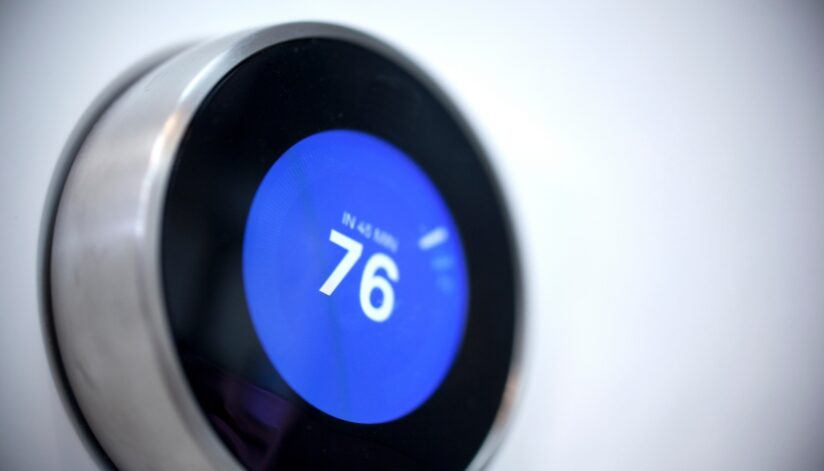
You glance at the thermostat and see 72 degrees. On paper, that should feel comfortable. Yet your home still feels warm, stuffy, or even a little sticky. If that sounds familiar, you’re not imagining things.
Temperature is only one part of indoor comfort. If you’ve ever wondered why your home feels warm even when the thermostat says it isn’t, factors like humidity, airflow, insulation, and thermostat placement may be affecting how comfortable your home actually feels.
At Niebuhr Plumbing, Heating and Air Conditioning, this is a common concern we hear during the summer months. Many homeowners assume their air conditioner is failing when the real issue is something else entirely.
Temperature and Comfort Are Not the Same Thing
Your thermostat measures temperature. It does not measure how comfortable you feel.
Several factors influence comfort beyond the number displayed on the wall. Humidity is one of the biggest. Air movement, sunlight, and even where you spend time in the home can affect how a room feels.
Think about stepping outside on an 80-degree day with low humidity versus an 80-degree day with high humidity. The temperature is the same, but the experience feels completely different.
The same principle applies inside your home.
Humidity Plays a Major Role
One of the most common reasons a home feels warmer than the thermostat reading is excess humidity.
Your air conditioner does more than cool the air. It also removes moisture. When humidity levels rise, your body’s natural cooling process becomes less effective, making the room feel warmer than it actually is.
You may notice:
- A sticky or muggy feeling indoors
- Rooms that feel uncomfortable despite normal temperatures
- Condensation on windows or vents
Ideally, indoor humidity should stay between 30 and 50 percent. When humidity climbs above that range, comfort often suffers.
In some cases, homeowners benefit from additional humidity control, especially during particularly humid Wisconsin summers.
Airflow Problems Can Create Hot Spots
Another common culprit is poor airflow.
Even if your HVAC system is producing cool air, that air needs to reach every part of your home. Blocked vents, dirty filters, ductwork issues, or poorly balanced airflow can all create uneven temperatures.
Some rooms may feel comfortable while others remain noticeably warmer.
A few signs of airflow issues include:
- Certain rooms consistently feeling warmer than others
- Weak airflow coming from vents
- Longer cooling cycles during hot weather
Airflow problems are often overlooked because the system appears to be running normally.
Your Thermostat May Be in the Wrong Location
Sometimes the issue is not your HVAC system at all. It is the thermostat.
Thermostats only measure the conditions around them. If yours is located in a naturally cool area, it may reach the desired temperature before the rest of the home does.
For example, a thermostat installed near a return vent, shaded hallway, or lower level may not accurately reflect temperatures elsewhere.
As a result, the AC shuts off even though some rooms still feel warm.
This is especially common in multi-story homes where temperatures vary significantly between floors.
Sunlight and Insulation Matter
The sun can have a surprising impact on indoor comfort.
Rooms with large windows often absorb more heat throughout the day. Even with the AC running, those spaces may feel warmer than interior rooms.
Insulation also plays a role. Areas with insufficient insulation allow outdoor heat to transfer inside more easily.
South-facing rooms, bonus rooms above garages, and upper floors often experience these challenges more than other areas of the home.
When homeowners complain about one room always feeling warmer, insulation and solar heat gain are often part of the conversation.
Your AC May Be Running, But Not Efficiently
If your air conditioner is overdue for maintenance, it may struggle to remove heat and humidity effectively.
Dirty coils, restricted airflow, low refrigerant levels, and worn components all reduce efficiency. The system still runs, but performance declines.
Over time, you may notice:
- Longer cooling cycles
- Higher utility bills
- Less comfort despite normal thermostat settings
Regular maintenance helps ensure your system operates the way it was designed to.
The Importance of Air Filters
One simple factor that affects both airflow and comfort is the air filter.
When filters become clogged, airflow decreases throughout the system. Your AC works harder while delivering less conditioned air to living spaces.
Niebuhr recommends replacing your air filter every 1 to 6 months, depending on usage and filter set up.
A clean filter supports proper airflow, improves efficiency, and helps maintain more consistent temperatures throughout the home.
What Homeowners Can Do
If your home feels warmer than the thermostat suggests, start with a few basic checks:
- Replace or inspect your air filter
- Make sure vents are open and unobstructed
- Check indoor humidity levels
- Observe whether certain rooms feel consistently warmer
These simple observations often provide valuable clues about what is affecting comfort.
If the problem continues, a professional evaluation can identify issues that are not immediately visible.
Improve Comfort Without Constantly Adjusting the Thermostat
Many homeowners respond to discomfort by lowering the thermostat. While that sometimes helps, it does not always address the root cause.
Humidity, airflow, insulation, and system performance all contribute to how your home feels. Understanding these factors helps you solve the problem instead of simply masking it.
At Niebuhr, we help homeowners throughout La Crosse and the surrounding Coulee Region improve comfort and system performance. Whether your home feels stuffy, unevenly cooled, or simply not as comfortable as it should, our team can help identify the cause.
Call 608-782-1700 or visit niebuhrplumbing.com/contact to schedule an HVAC evaluation and enjoy a more comfortable home this summer.