How Often Should You Flush Your Water Heater?
If you have ever searched “How often should you flush your water heater?” you have probably seen advice that makes it sound like an easy DIY chore you should do every year. The truth is more nuanced, especially in La Crosse, Wisconsin, where hard water and mineral content can speed up sediment and lime buildup inside a tank.
At Niebuhr Plumbing, Heating, and Air Conditioning, we get this question often. Homeowners want to protect their equipment, improve efficiency, and avoid a surprise cold shower. Those are great goals. But when it comes to whether you should flush your water heater, the best answer depends on what type of system you have and what is happening inside the tank right now.
This guide breaks it down in a practical way, including why flushing can sometimes help and why it can also create bigger problems if heavy sediment and lime buildup are already present.
What Flushing A Water Heater Actually Does
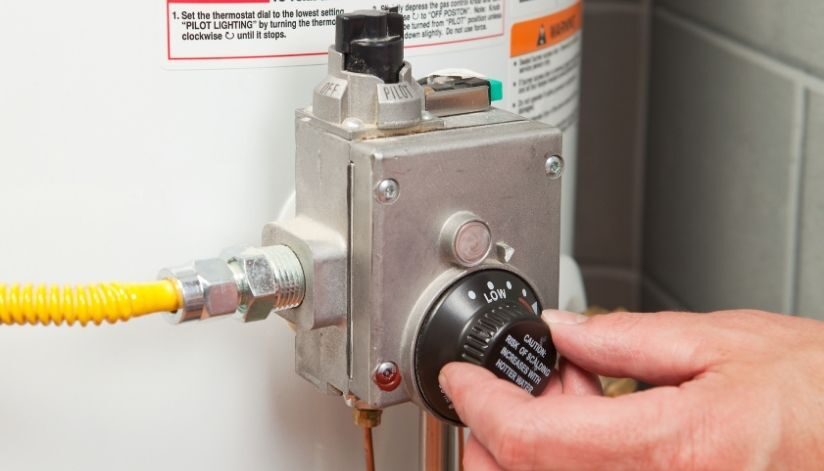
Flushing a water heater means draining water from the tank through the drain valve near the bottom. The goal is to remove loose sediment that settles at the bottom over time. Sediment can include:
- Sand and grit from the water supply
- Minerals from hard water (often lime and calcium)
- Rust or scale from aging pipes or the tank itself
In an ideal situation, flushing can remove light buildup before it becomes a problem. That is why you will often see general recommendations that you should flush your water heater once per year.
But real life does not always match the ideal. If your tank has years of compacted sediment, opening the drain and stirring things up can cause issues you were not dealing with before.
Why Niebuhr Often Does Not Recommend Flushing Older Tank Water Heaters
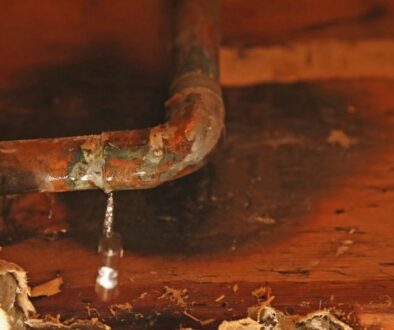
Here is the part most online articles do not explain clearly. If a tank water heater has a lot of sediment or lime buildup, flushing can sometimes trigger leaks or clogs.
Sediment can settle into places that are not easy to clear. When it breaks loose during a flush, it can:
- Clog the drain valve so the tank will not drain properly
- Block piping or fixtures downstream
- Damage the valve so it drips or will not close
- Expose weakened areas of the tank that were “sealed” by sediment
In other words, flushing is not always a simple maintenance task. In some cases, the attempt to flush your water heater can create bigger problems, especially if the unit is older, has not been maintained regularly, or is already showing signs of mineral buildup.
That is why Niebuhr typically recommends a different approach when we suspect heavy sediment or lime.
The Better Option When Sediment Or Lime Is A Concern
If you suspect there is significant buildup, it is smart to have a plumber inspect the system instead of trying to flush your water heater on your own.
A professional can evaluate:
- How much sediment is in the tank
- Whether the drain valve is likely to work properly
- The overall condition of the tank and connections
- Whether the unit is near the end of its lifespan
If sediment and lime are a problem, we can often clean and scrape lime buildup out of the tank. This is a more controlled process than a basic flush and can reduce the chance of causing additional issues.
It also helps us identify whether the water heater is still in good shape or whether replacement is the safer long-term plan.
How Often Should You Flush Your Water Heater If You Have A Standard Tank?
If you have a newer tank water heater and it has been maintained properly, flushing can be useful in certain situations. A common guideline is to flush your water heater once per year, but only if:
- The system is relatively new
- You have not noticed symptoms of heavy sediment
- The drain valve is in good working condition
- The unit has been flushed consistently over its life
If you are not sure what condition the tank is in, do not guess. If a tank has not been flushed in years, flushing may be riskier than leaving it alone.
For many homeowners, the safest answer is not to set a strict schedule. Instead, watch for warning signs and schedule an inspection if you suspect buildup.
Signs That Sediment May Be Building Up In Your Tank
Sediment and mineral buildup can be sneaky. You might not see it, but you will often notice changes in performance. Here are some common red flags that make homeowners ask whether they should flush their water heater:
- Popping, rumbling, or cracking sounds during heating cycles
- Hot water running out faster than it used to
- Cloudy or rusty-looking hot water
- Uneven water temperature, especially in showers
- Higher energy bills with no other explanation
- Water that smells metallic or off
If you are noticing one or more of these issues, flushing might not be the right first step. It is best to have a professional evaluate whether sediment is the cause and what the safest fix will be.
What About Tankless Water Heaters?
Tankless systems are different. If you have a tankless water heater, routine flushing is usually recommended.
Tankless units heat water through a heat exchanger. Minerals from hard water can coat internal components and reduce efficiency. Over time, scale buildup can cause the system to:
- Heat less effectively
- Work harder and use more energy
- Deliver inconsistent hot water
- Trigger error codes
- Wear out faster
For most tankless systems, you should flush your water heater on a regular schedule. In many homes, that means about once per year. In areas with harder water, it may be needed more often.
If you have a tankless water heater in La Crosse, a maintenance flush is one of the best ways to protect your investment and keep your hot water reliable.
Why Water Quality Matters In La Crosse
Water conditions affect how quickly sediment and lime buildup develop. Many Wisconsin homes deal with minerals that contribute to scaling. That does not automatically mean your system is in trouble, but it does mean maintenance decisions should be made carefully.
If you have hard water, you might see faster buildup in both tank and tankless systems. But that does not mean you should always flush your water heater without guidance. It means you should get a plan that fits your system’s age, type, and condition.
In some cases, a water softener or filtration system can help reduce future scaling and extend the life of your water heater.
A Practical Rule Of Thumb
If you want a simple way to think about it, use this:
- Tank water heater: Do not automatically flush your water heater every year. If it is newer and has been maintained consistently, flushing may help. If it is older or has not been flushed regularly, have a plumber inspect it first.
- Tankless water heater: Regular maintenance flushing is important. Most homeowners should flush your water heater about once per year, sometimes more depending on water hardness and usage
This approach protects your system without taking unnecessary risks.
When To Call Niebuhr
If you are wondering whether you should flush your water heater, the safest next step is often a professional assessment. That is especially true if your unit is older, making noise, running out of hot water quickly, or showing any signs of heavy sediment or lime buildup.
Niebuhr Plumbing, Heating, and Air Conditioning serves homeowners in La Crosse, Wisconsin and surrounding areas. We can help you determine whether flushing is appropriate, perform maintenance safely, and recommend solutions if sediment or lime is creating bigger issues inside the tank.
If you want reliable hot water and fewer surprises, contact Niebuhr 608-782-1700 or visit niebuhrplumbing.com/contact to schedule an inspection or tankless maintenance service. We will help you choose the option that protects your system and your home.