
Why Ceiling Fans Might Help Your Home Feel Warmer in Winter
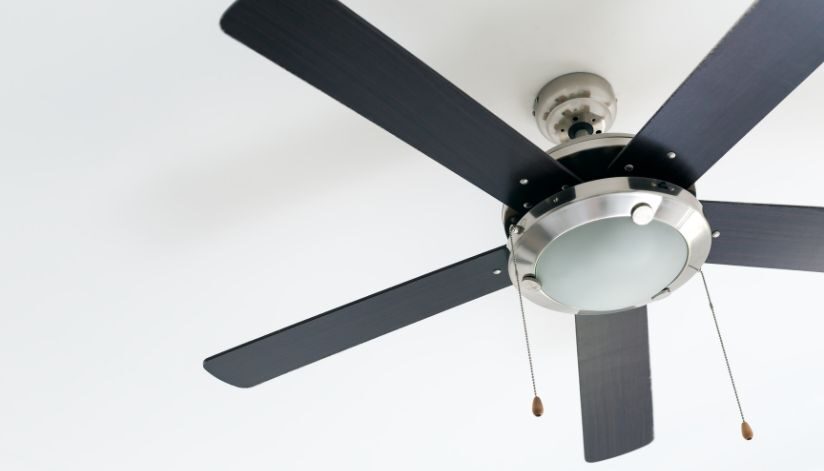
Most people associate ceiling fans with summer cooling, but the right settings help in winter too. When you use a ceiling fan in winter, you move warm air trapped near the ceiling down into the living space. This reduces cold spots, helps rooms feel more balanced, and supports your heating system without creating a draft.
At Niebuhr Plumbing, Heating, and Air Conditioning, we often help La Crosse homeowners fine-tune their winter comfort. This guide explains how reversing your fan works, when it helps most, and how to choose the right settings.
Why Warm Air Needs a Little Help
Warm air rises. Over time, it collects near the ceiling while cooler air stays lower. This natural movement leads to:
- Cold floors
- Uneven room temperatures
- Higher thermostat settings
- Extra furnace cycling
When you use a ceiling fan in winter mode, you lift the colder air upward, which pushes the warm air near the ceiling downward along the walls. This gentle circulation reduces temperature differences without creating a breeze.
How a Reversed Fan Warms a Room
Most ceiling fans have a switch that changes blade direction. In winter mode, blades rotate clockwise at a low speed. Here is the effect:
- The fan draws cool air upward.
- That air displaces the warm air near the ceiling.
- Warm air moves down the walls and into your living space.
- The room feels warmer and more even.
This works best when the speed is low enough that you do not feel airflow blowing down on you.
Rooms That Benefit the Most
Not every room needs a winter fan setting, but many do. Using aceiling fan in winter helps most in:
High-ceiling rooms
Heat rises quickly, leaving lower areas chilly.
Large open spaces
Air becomes uneven without help circulating.
Rooms with cold floors
Hard floors often feel cold even when the thermostat is high.
Rooms far from the thermostat
Distant areas often struggle to match the temperature of main living spaces.
Homes with wood stoves or space heaters
Fans spread concentrated heat throughout the room.
How to Set Your Ceiling Fan for Winter
Using your fan correctly is simple.
1. Turn off the fan first.
Never change the direction switch while it is spinning.
2. Flip the direction switch to clockwise.
This puts the fan in winter mode.
3. Set the fan to the lowest speed.
The goal is circulation, not wind.
4. Check from below.
You should not feel a breeze. If you do, the speed is too high.
5. Give it time.
In 10–15 minutes, you should feel more balanced warmth.
Pairing Your Fan With Your Thermostat
When done correctly, you often feel warmer without raising the temperature.
Here is how to make both systems work together:
Lower your thermostat by one or two degrees.
A balanced room often feels warmer, making higher settings unnecessary.
Avoid frequent adjustments.
Consistent heat helps your furnace run efficiently.
Use smart or programmable settings.
Steady temperatures pair well with gentle air circulation.
Test comfort before adjusting.
Give the fan time to move warm air downward.
How to Check the Direction Without Guessing
Flip on the fan and watch the blades rotate. Clockwise is winter mode. If you see counterclockwise movement, switch directions.
A quick test: Stand under the fan. If you feel air blowing down, the direction or speed needs adjusting.
Signs the Fan Is Helping
You will know your setup is working when:
- Cold spots start to disappear
- Floors feel less chilly
- The room feels warmer at the same thermostat setting
- Air feels more balanced from corner to corner
- The furnace cycles slightly less often
The goal is subtle, steady improvement, not dramatic airflow.
When a Ceiling Fan Won’t Solve the Problem
A fan helps with circulation, but it cannot correct bigger issues like:
- Significant drafts
- Poor insulation
- Leaky windows
- Undersized heating systems
- Blocked vents
If your home still feels cold after adjusting your fan, you may need a professional assessment or heating maintenance.
Tips for Choosing the Right Speed
Low is best. Here’s why:
- High speed creates a cooling breeze
- Low speed gently pushes heat down
- Medium speed is only useful in large, open rooms
In most homes, the lowest speed achieves the best winter comfort.
How Ceiling Fans Support Your Heating System
Your furnace generates heat. The fan helps distribute that heat evenly. When you use ceiling fan configurations correctly, you get:
- More consistent temperatures
- Less furnace cycling
- Better comfort across bigger rooms
- Lower heating costs
Small adjustments help your system run more efficiently.
Keeping Wisconsin Homes More Comfortable
Wisconsin winters are long and cold. A reversed ceiling fan provides a simple way to improve comfort during months of heavy furnace use. This setup helps warm air reach the areas where you spend your time, reducing cold floors, balancing temperatures, and creating a more comfortable home.
If your home still feels cold or drafty after adjusting your fan, Niebuhr in La Crosse, Wisconsin can help improve airflow, check your ductwork, or tune your heating system.
Call 608-782-1700 or visit niebuhrplumbing.com/contact to schedule service.