What You Should Never Put Down A Garbage Disposal
Garbage disposals make kitchen cleanup quick and convenient. After preparing a meal, it is easy to assume that anything left on a plate can simply be rinsed into the sink and ground up by the disposal.
Unfortunately, that is not always the case.
While garbage disposals are designed to handle certain food waste, they are not built to process everything. Some materials can damage the disposal itself, while others increase the risk of clogged drains and plumbing problems further down the line.
At Niebuhr Plumbing, Heating and Air Conditioning, we often help homeowners deal with drain clogs and kitchen plumbing issues that could have been prevented with a better understanding of what should and should not go into a garbage disposal.
How a Garbage Disposal Actually Works
Many people think of a garbage disposal as a blender for food scraps.
In reality, it works a little differently.
Garbage disposals use spinning components to break food waste into smaller pieces that can move through the plumbing system. While this process handles many common food scraps effectively, it does not make every item safe for your drains.
Even if something fits down the sink, that does not mean it belongs there.
The goal is not simply to grind food. The goal is to move waste safely through the plumbing system without creating blockages.
Grease Is One of the Biggest Problems
One of the most common causes of kitchen drain problems is grease.
When grease is hot, it appears harmless because it flows easily. Once it cools, it begins to solidify and cling to the inside of pipes.
Over time, grease buildup can collect food particles and create stubborn blockages.
Common examples include:
- Bacon grease
- Cooking oils
- Butter and shortening
Many homeowners are surprised to learn that the disposal may grind food successfully while grease is quietly building up further down the drain.
For that reason, grease should always be disposed of separately rather than rinsed into the sink.
Fibrous Foods Can Cause Trouble
Certain foods do not break down well inside a garbage disposal.
Fibrous materials can wrap around moving components and interfere with proper operation. In some cases, they can even contribute to clogs within the plumbing system.
Foods that commonly create problems include celery, corn husks, asparagus, and onion skins.
While a small amount may not immediately cause an issue, repeated exposure increases wear on the disposal and can lead to frustrating performance problems.
If a food seems stringy or fibrous, it is often better suited for the trash or compost pile.
Starchy Foods Expand in Pipes
Some foods seem harmless because they are soft and easy to grind.
However, starchy foods can create problems after they leave the disposal.
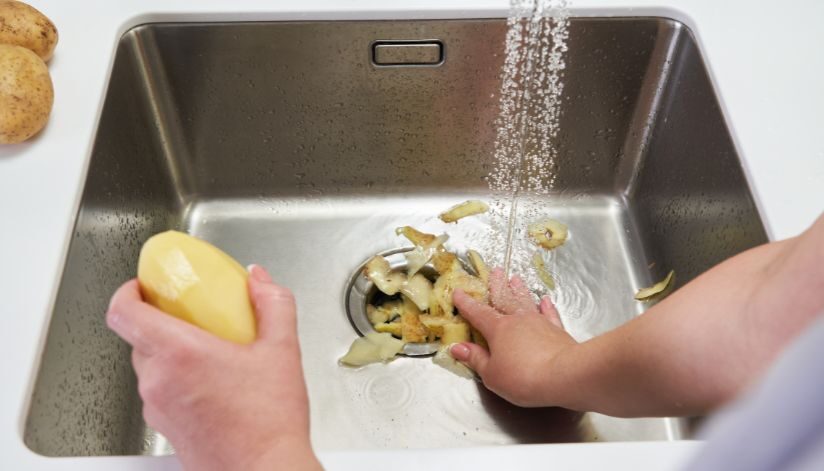
Items like pasta, rice, and potatoes absorb water and expand. As they move through the plumbing system, they can combine with grease and other debris to form stubborn clogs.
Many homeowners discover this after preparing large family meals, holiday gatherings, or backyard cookouts.
The disposal may process the food initially, but the real problem develops further down the drain.
Coffee Grounds Are a Common Mistake
Coffee grounds are another item that frequently contribute to drain issues.
Because they are small, many homeowners assume they wash through the plumbing system without difficulty. In reality, coffee grounds tend to accumulate and settle within pipes.
Over time, they can combine with grease and other materials to create dense blockages.
Coffee grounds are often better used in composting or disposed of with household waste rather than rinsed down the sink.
Eggshells Are More Complicated Than People Think
For years, many homeowners believed eggshells helped sharpen garbage disposal blades.
Modern disposals do not use blades in the way many people imagine, and eggshells provide little benefit.
Instead, shell fragments can contribute to buildup and may collect within parts of the plumbing system.
While an occasional eggshell may not create an immediate problem, routinely disposing of them in the sink is generally not recommended.
Non-Food Items Should Never Go Down A Garbage Disposal
This may seem obvious, but non-food items still find their way into garbage disposals surprisingly often.
Items such as paper towels, wipes, twist ties, plastic packaging, and food wrappers can quickly damage the unit or create severe blockages.
If something is not food, it should never go into the disposal.
Even items marketed as flushable or biodegradable do not belong in a kitchen drain.
A Little Water Goes a Long Way
One of the simplest ways to help your garbage disposal operate properly is by using plenty of cold water.
Running water while the disposal operates helps move food particles through the plumbing system instead of allowing them to settle inside the pipes.
Many homeowners rush through cleanup and shut the water off too quickly.
Allowing water to run for a short period after the disposal finishes can help clear remaining debris and support healthier drain performance.
Warning Signs Your Disposal May Need Attention
Like any appliance, garbage disposals often provide warning signs before major problems develop.
Some common signs include:
- Frequent drain backups
- Unusual noises
- Persistent odors
- Water draining slowly from the sink
These symptoms may indicate a developing clog, worn components, or another issue that deserves attention.
Addressing problems early is often easier than waiting until the disposal stops working entirely.
Protecting Your Kitchen Plumbing
Garbage disposals are convenient tools, but they work best when used properly. Understanding what should stay out of the disposal helps reduce wear on the equipment and lowers the risk of clogged drains.
A little caution during cleanup can go a long way toward protecting both the disposal and the plumbing connected to it.
At Niebuhr Plumbing, Heating and Air Conditioning, we help homeowners throughout La Crosse and the surrounding Coulee Region address kitchen plumbing concerns and better understand how to keep their systems operating smoothly. If you are dealing with recurring drain problems, disposal issues, or slow-moving sinks, our team is here to help.
Call 608-782-1700 or visit niebuhrplumbing.com/contact to schedule a plumbing evaluation with our team.