What To Do If a Pipe Bursts When You’re Not Home
Returning home after a holiday trip only to find water on the floor, soaked walls, or a flooded basement is every homeowner’s nightmare. Frozen pipes are common in Wisconsin winters, and when they burst, the damage spreads quickly. Knowing what to do in those first minutes matters most. That is why understanding burst pipe repair steps before you travel is essential for protecting your home.
At Niebuhr Plumbing, Heating & Air Conditioning, we help homeowners in La Crosse repair both minor and major plumbing damage. This guide walks you through immediate actions when a pipe bursts, safety steps, and what to do next so you can respond quickly and prevent further damage.
Step 1: Shut Off the Water Supply Immediately
The moment you discover a burst pipe, go straight to your main water shut-off valve. Turning off the water stops the flow and limits additional damage.
How to find it:
- Basement: near the front foundation wall
- Crawl space: near the entry point
- Utility area: near the water meter
If you cannot find it, look for the water meter and follow the pipe from there. Every second counts when dealing with a burst pipe.
Step 2: Turn Off the Power if Water Is Near Outlets
Standing water near electrical outlets or appliances is dangerous. Before touching anything in the affected area:
- Turn off power to that section of the home
- Avoid stepping in flooded spaces until the breaker is off
- Do not plug in fans or equipment near water
Safety needs to come first. If you are unsure, shut off the main breaker for the entire home.
Step 3: Drain the Remaining Water From Your Plumbing
After the water supply is off, drain the system to reduce pressure and prevent more leaking.
Do this by:
- Turning on all faucets
- Flushing all toilets
- Opening the lowest-level faucet, such as in a basement utility sink
This relieves pressure and helps control the flow until burst pipe repair begins.
Step 4: Locate The Burst Pipe
Sometimes the source is obvious. Other times, you must look for clues:
- Water stains on walls or ceilings
- Buckled floors
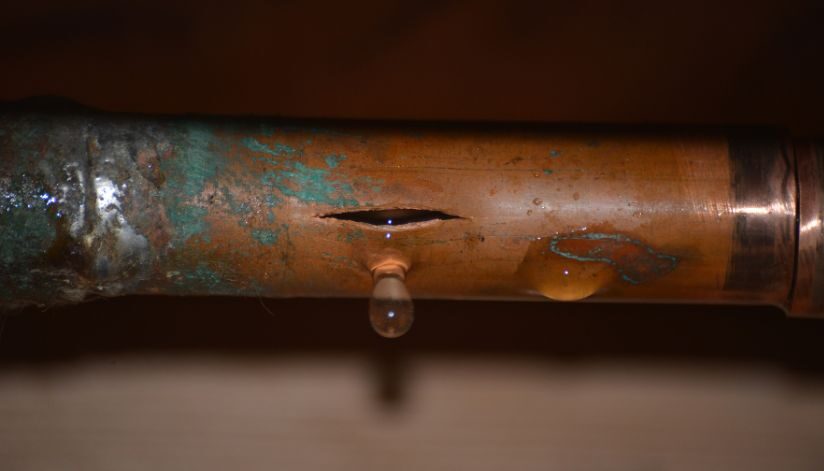
- Dripping or pooling water
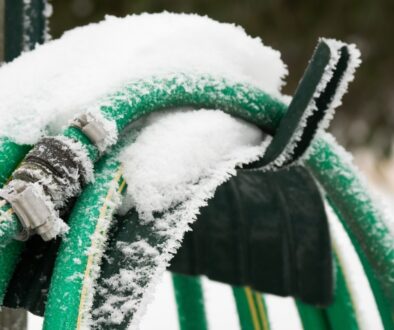
- Ice on exposed pipes
- Damp drywall
If you cannot find the break, a plumber will locate it during the repair process. Burst pipes often hide behind walls, so look for signs rather than relying on visible piping alone.
Step 5: Begin Drying The Area
Quick drying prevents mold growth and structural damage.
Here’s what to do:
- Remove standing water with a wet vacuum
- Open windows for ventilation if the weather permits
- Use fans and dehumidifiers to dry the space
- Move furniture, rugs, and belongings out of the wet area
- Photograph everything for insurance
If there is significant water saturation, contact a professional water restoration company for safer and faster cleanup.
Step 6: Call A Plumber For Burst Pipe Repair
Temporary fixes will not solve the problem. A licensed plumber needs to assess the damage, replace the section of pipe, and check for additional weak spots.
A professional will:
- Identify the break
- Replace damaged pipe sections
- Check for frozen areas elsewhere
- Inspect surrounding plumbing for stress cracks
- Restore full water pressure safely
Step 7: Document Everything For Your Insurance Claim
Most homeowners insurance policies cover burst pipe damage caused by sudden freezing. Take clear photos and videos before drying or repairs.
Document:
- The burst pipe location
- Water damage to flooring, walls, and belongings
- Any emergency cleanup costs
- Receipts for repairs
- Written estimates
Proper documentation helps streamline the claims process.
Step 8: Prevent Mold and Hidden Damage
Even after cleanup, moisture can linger. Over the next few days, watch for:
- Musty odors
- Darkening drywall
- Warped wood
- Mold growth in corners or behind baseboards
Mold forms quickly, even in cold weather.
Step 9: Restore Water Slowly and Carefully
Once the plumber finishes the burst pipe repair, turn the water back on slowly. Check all faucets, pipes, and fixtures for leaks as the system repressurizes.
Turn off the main valve again and call the plumber back to reassess if you notice:
- Dripping
- Slow leaks
- Unusual noises
- Unsteady water pressure
Step 10: Protect Your Home From Future Bursts
Once the immediate crisis is over, take steps to prevent the next one. Wisconsin winters and freezing temps can put your home at risk.
Preventive steps include:
- Installing pipe insulation
- Sealing foundation drafts
- Adding heat tape to vulnerable pipes
- Keeping cabinet doors open during cold snaps
- Letting faucets drip in extreme temperatures
- Maintaining consistent indoor heat
- Scheduling annual heating system tune-ups
- Having Niebuhr inspect areas prone to freezing
A few simple habits can stop another burst from happening.
Conclusion
Walking into a home with water damage is stressful, but knowing how to respond makes the situation manageable. Quick action—shutting off the water, draining pipes, drying the area, and calling a professional—reduces damage and keeps your home safe. Clear steps and strong documentation help with your insurance claim and get repair work started faster.
For fast, reliable burst pipe repair, trust Niebuhr in La Crosse, Wisconsin. Our team is ready to help you recover from burst pipes and prepare your home for future cold snaps.
Call 608-782-1700 or visit niebuhrplumbing.com/contact to schedule service.