
Managing Dry Indoor Air In the Heating Season
When the Wisconsin winter hits, most homeowners turn up the heat and settle in. But as your furnace runs more often, you might start to notice the side effects of dry air—itchy skin, static shocks, and creaking wood floors. If that sounds familiar, you’re not alone. Many homeowners in La Crosse want to know how to fix dry air in your house during winter and keep their homes comfortable all season long. At Niebuhr Plumbing, Heating & Air Conditioning, we help families stay warm and healthy throughout the heating season. Understanding what causes dry air and how to manage it can make a big difference in comfort, health, and even the longevity of your home’s furnishings.
Why Homes Get Dry In Winter
Cold air holds less moisture than warm air. When outside temperatures drop, the air becomes naturally drier. Your furnace heats that already dry air and circulates it throughout your home, further reducing humidity levels.
Without proper moisture control, indoor humidity can drop below 30%—well under the ideal 35–50% range. This dry air doesn’t just make your home uncomfortable; it also impacts your health and your home’s materials.
Signs Your Home’s Air Is Too Dry
Before you decide how to fix dry air in your house during winter, it helps to recognize the warning signs:
- Dry skin and chapped lips that lotions can’t solve
- Scratchy throat or dry cough after spending time indoors
- Static shocks when touching metal objects or your pets
- Cracking wood floors or furniture from shrinking
- Gaps in trim or molding due to contraction
- No window condensation, which often means humidity is too low
If several of these sound familiar, your indoor air likely needs more moisture.
How Dry Air Affects Your Health And Home
Low humidity may seem like a small inconvenience, but it affects your body, comfort, and the structure of your home.
1. Dry Skin and Irritation
Without enough moisture, your skin loses hydration faster. That means itchy arms, cracked hands, and irritated eyes become common during the heating season.
2. Respiratory Issues
Dry air can irritate nasal passages and throat tissues, making you more vulnerable to colds and sinus infections. People with allergies or asthma often notice worse symptoms during winter.
3. Poor Sleep Quality
Low humidity dries out your throat and nasal passages, causing discomfort that leads to restless nights or increased snoring.
4. Damage to Wood and Furnishings
Wood expands and contracts with changes in humidity. When air is too dry, hardwood floors, furniture, and trim can crack or pull apart.
5. Increased Static Electricity
That small shock when touching a doorknob or pet? It’s a sign of very dry air—and a nuisance that balanced humidity can easily prevent.
The Ideal Indoor Humidity Level
The Environmental Protection Agency recommends maintaining indoor humidity between 30% and 50% in winter. This range supports comfort, protects wood furnishings, and minimizes the chance of condensation on windows.
A simple hygrometer, available at most hardware stores, can help you track humidity levels accurately.
How To Fix Dry Air In Your House During Winter
Balancing indoor humidity is easier than it sounds. Here are the most effective solutions:
1. Install a Whole-Home Humidifier
The most reliable way to fix dry air is with a whole-home humidifier that integrates with your HVAC system. It automatically adds moisture as air circulates through your furnace, keeping humidity consistent across every room.
Whole-home humidifiers are quiet, low-maintenance, and energy efficient—making them ideal for Wisconsin winters. The professionals at Niebuhr can help you select and install one that fits your home and system.
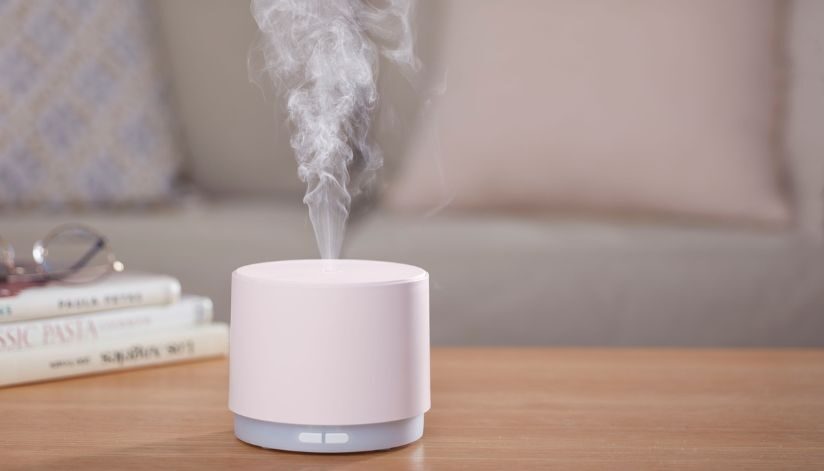
2. Use Portable Humidifiers
If you’re not ready for a whole-home solution, portable humidifiers work well for specific rooms like bedrooms or living spaces. Keep them clean to avoid mold or bacteria buildup, and use distilled water when possible.
3. Seal Air Leaks
Drafty windows, doors, or poorly sealed ducts let dry outdoor air in and humid indoor air out. Sealing leaks and adding insulation help your home retain both heat and moisture.
4. Replace Furnace Filters Regularly
A dirty filter reduces airflow, causing your furnace to overwork and dry the air even more. Replace filters every 1–3 months for better air circulation and humidity balance.
5. Add Moisture Naturally
Small changes can slightly improve humidity levels:
- Boil water for cooking or tea.
- Air-dry laundry indoors.
- Place bowls of water near heat vents.
- Keep houseplants, which release moisture through their leaves.
These are short-term fixes, but they can help between more permanent solutions.
Benefits Of Balanced Humidity
Maintaining proper humidity during winter goes beyond comfort—it protects your health, home, and heating system.
- Better comfort: No more dry skin or static shocks.
- Healthier breathing: Moist air reduces throat irritation and sinus problems.
- Protected woodwork: Floors, furniture, and trim stay stable and crack-free.
- Energy savings: Balanced humidity makes air feel warmer, letting you lower your thermostat slightly.
- Improved air quality: Proper moisture reduces dust and airborne particles.
When To Call A Professional
If your home still feels uncomfortably dry despite trying multiple fixes, it may be time for a professional evaluation. A certified technician can:
- Check your furnace’s humidity impact
- Recommend the right humidifier size and type
- Inspect ducts and vents for air leaks
- Balance humidity for optimal comfort and efficiency
The experts at Niebuhr have been helping La Crosse homeowners stay comfortable for decades. Whether you need furnace service or a whole-home humidifier installation, their team ensures your air stays healthy and balanced all season long.
Conclusion
Learning how to fix dry air in your house during winter starts with understanding the role your furnace plays in humidity levels. A few smart changes—like replacing filters, sealing drafts, or adding a humidifier—can dramatically improve comfort and air quality.
For personalized help managing humidity in your home, contact Niebuhr in La Crosse, Wisconsin. Our team is here to help you stay warm, comfortable, and healthy all winter.
Call 608-782-1700 or visit niebuhrplumbing.com/contact to schedule your service.


