Why Is My Water Bill So High? 5 Summer Plumbing Issues That Could Be To Blame
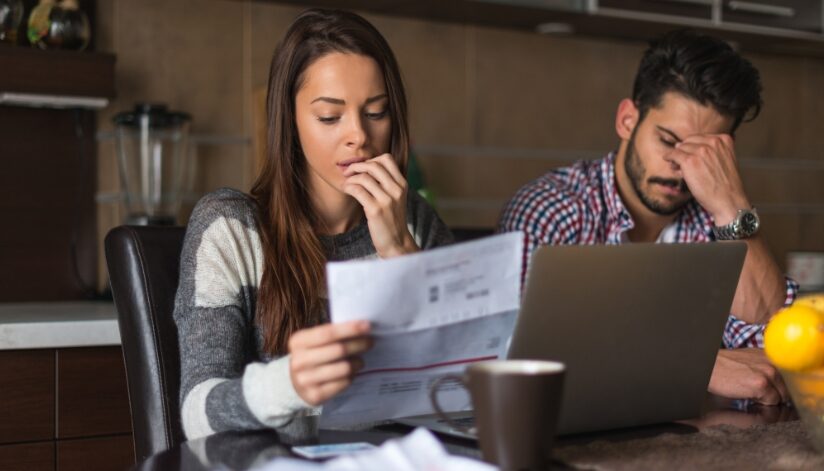
Summer in Wisconsin means more time outside, more time watering the garden, and—unfortunately for some—a high water bill. If you’ve opened your latest utility statement and found yourself doing a double take, you’re not alone. Many homeowners across the Coulee Region notice a spike in their water usage during the summer months. But sometimes, the jump is more than just seasonal habits—it’s a sign that something in your plumbing system isn’t working the way it should.
At Niebuhr Plumbing, Heating, and Air Conditioning, we help homeowners get to the bottom of unexpected water bill increases. Below are five common summer plumbing issues that could be driving up your water costs—plus tips on how to fix or prevent them.
Unusually High Water Bill? Here’s What To Check
1. Leaky Outdoor Faucets And Hose Bibs
After a long Wisconsin winter, it’s not uncommon for outdoor faucets (also known as hose bibs) to develop small cracks or leaks. Freezing temperatures can cause the internal components to expand and contract, weakening the connection over time.
A slow drip may not seem like a big deal, but a faucet leaking one drip per second can waste more than 3,000 gallons of water per year. And in summer, when these fixtures are used more frequently, those gallons can add up even faster.
What to do:
Check each outdoor spigot for visible drips or signs of water pooling. Tighten any loose hose connections and consider installing a frost-proof hose bib if leaks are recurring. If you suspect a hidden crack or can’t stop the leak, it’s best to have a licensed plumber take a look.
2. Irrigation System Issues
Sprinkler systems are convenient, but they’re also one of the most common sources of hidden summer water waste. Broken sprinkler heads, misaligned nozzles, or underground pipe leaks can send hundreds of gallons of water into your yard—or under it—without you realizing it.
You might not even notice unless you walk your lawn and see soggy patches, water pooling where it shouldn’t, or unusually lush growth in one specific area.
What to do:
Manually run each irrigation zone and inspect it while it’s operating. Watch for uneven spray patterns, heads that don’t retract, or excessive runoff. If you’re unsure how to troubleshoot the system, a local landscaping or plumbing professional can help evaluate its condition.
3. Increased Water Use At Home
Between more laundry from sweaty clothes, extra showers after outdoor activities, and backyard fun like kiddie pools and slip-n-slides, water use often climbs naturally during summer. Even small changes—like hosting guests or watering plants more frequently—can contribute to noticeable spikes in your bill.
What to do:
While this isn’t necessarily a plumbing problem, it’s a good idea to track your habits and see where you might be using more water than expected. Installing low-flow showerheads, setting timers for sprinklers, or turning off the tap while brushing your teeth are small changes that can add up over time.
4. Running Toilets And Leaky Fixtures
Silent leaks are another summer culprit. A running toilet, even one that seems to stop and start intermittently, can waste hundreds of gallons per day. The same goes for faucets that slowly drip when not in use.
These issues are especially common in guest bathrooms or lower-use areas of the home—where a problem may go unnoticed for weeks.
What to do:
Add a few drops of food coloring to your toilet tank. Wait 15–20 minutes without flushing—if the color shows up in the bowl, you likely have a leak. A worn flapper valve or faulty fill mechanism is usually to blame, and both are affordable to replace.
5. Water Softener Or Water Heater Malfunctions
While these systems don’t directly consume large amounts of water, a malfunctioning water softener can enter a continuous regeneration cycle, quietly using water day and night. Similarly, a water heater with a slow leak—often from the pressure relief valve or base—can lead to gradual water loss that only shows up on your bill.
What to do:
Inspect around your water heater and water softener for any dampness, corrosion, or continuous drain activity. If you hear frequent cycling or notice any unusual behavior, schedule a service call with Niebuhr to prevent further waste (and damage).
Final Thoughts
If your summer water bill seems unusually high, don’t assume it’s just extra showers or a little lawn watering. In many cases, hidden leaks and system inefficiencies are the real culprits. Catching and addressing these issues early can help you conserve water, lower your utility bills, and avoid costly repairs down the line.
At Niebuhr Plumbing, Heating, and Air Conditioning, we’ve been helping La Crosse-area homeowners identify and solve plumbing problems since 1900. If you need help tracking down the cause of a high water bill—or want to ensure your system is running efficiently—our experienced team is just a call away.


