
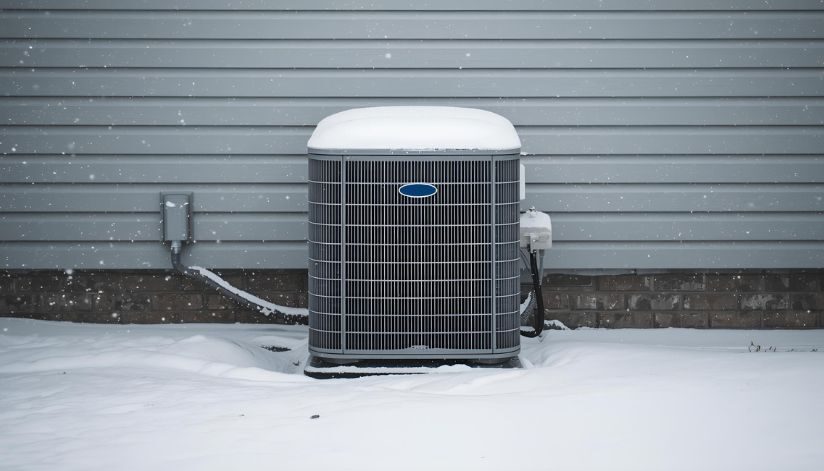
Protecting Your Outdoor AC Unit During Winter
When fall turns to winter in La Crosse, Wisconsin, most homeowners focus on heating their homes and forget about the air conditioner outside. But as the snow starts to fall, you might wonder should you cover your AC unit in winter to protect it from the elements. At Niebuhr Plumbing, Heating, and Air Conditioning, this is one of the most common questions we get as temperatures drop. While it makes sense to want to shield your equipment from snow and ice, covering your condenser isn’t always the best idea. The truth depends on your system type, local conditions, and how you maintain it.
Understanding Your Outdoor Condenser
Your outdoor air conditioning unit, also called a condenser, is built to withstand harsh conditions. The metal casing, coils, and internal components are designed for exposure to rain, heat, and even snow.
In Wisconsin, most homeowners have a central air conditioning system or a heat pump. These systems handle moisture and cold differently:
- Central AC units only operate during warm months and remain idle in winter.
- Heat pumps provide both heating and cooling year-round, meaning they must remain uncovered to function properly.
Before deciding whether to cover your unit, it’s important to know which system you have.
Why Some Homeowners Cover Their AC Units
The main reasons people cover their AC units are:
- Protection from snow and ice buildup
- Prevention of debris like leaves or sticks getting inside
- Reduced risk of rust or corrosion on the coils
While these reasons make sense, modern air conditioners are engineered to handle these conditions without a cover. In fact, covering your unit the wrong way can do more harm than good.
Risks of Covering Your AC Unit
If you’re asking should you cover your AC unit in winter, you should also understand the potential downsides.
1. Moisture Trapping
Covers can trap condensation inside the unit. Moisture that can’t escape leads to rust, corrosion, and mold growth, which shorten the system’s lifespan.
2. Rodent Damage
Covers create a warm, protected space that attracts mice or small animals looking for shelter in winter. These pests can chew wires or nest inside the unit, causing damage that may not be obvious until spring.
3. Overheating or Restriction
If you accidentally turn on your AC while it’s still covered in spring, the restricted airflow can overheat the compressor and cause serious damage.
4. Voiding Warranties
Some manufacturers specifically advise against covering condensers, and doing so could void the warranty if it causes corrosion or damage.
When It’s Okay to Cover Your AC Unit
There are some exceptions where partial protection helps. If your air conditioner sits directly under a roof edge where icicles form or heavy debris tends to fall, a top-only cover can prevent damage.
Here’s how to do it safely:
- Use a breathable cover designed for AC units, not a tarp or plastic sheet.
- Only cover the top 6–12 inches to block falling debris while allowing air circulation.
- Secure it loosely so moisture can escape.
- Remove the cover immediately when the weather warms up in spring.
If your goal is simply to keep leaves, twigs, or dirt out, a light mesh guard is a better choice than a full cover.
When You Should Never Cover Your Unit
If you own a heat pump, never cover it. Heat pumps operate year-round and need clear airflow to transfer heat efficiently. Covering one could block ventilation and cause mechanical failure.
Even standard AC units shouldn’t be covered if:
- The area around the condenser is already sheltered (under a roof or deck).
- You regularly clear snow and debris from the top.
- The unit sits on a raised pad away from pooling water.
In most cases, keeping the area around your condenser clean and unobstructed provides all the protection it needs.
The Right Way to Prepare Your AC for Winter
Instead of covering the entire unit, focus on preventive care before the first freeze.
- Shut off power to the condenser.
Flip the disconnect switch on the outside wall to prevent accidental activation during winter. - Clean around the unit.
Remove leaves, sticks, and dirt from the base and surrounding area. Clear at least two feet of space around it. - Inspect for damage.
Check for bent fins, rust, or loose connections before winter sets in. - Elevate or clear snow.
Make sure your condenser sits above ground level. Gently brush off heavy snow buildup after storms. - Schedule professional maintenance.
A fall inspection ensures your AC is clean, sealed, and ready for next spring.
By following these steps, you’ll protect your system naturally—without needing a full cover.
Why Professional Maintenance Matters
Regular inspections help you catch problems like corrosion or pest damage before they get worse. During a maintenance visit, the technicians at Niebuhr:
- Clean the coils and remove debris
- Check electrical components and refrigerant lines
- Ensure the system is safely shut down for winter
- Recommend the best protection methods for your setup
Professional care extends your unit’s lifespan and keeps your cooling system efficient when summer returns.
Conclusion
If you’ve been wondering if you should cover your AC unit in winter, the answer depends on your system and situation. For most central air conditioners, a full cover isn’t necessary—and may even cause damage. A breathable top cover or mesh guard is plenty for extra protection.
Your outdoor condenser is built for Wisconsin weather. With simple cleaning, clear space, and proper maintenance, it will be ready to run smoothly when the next warm season arrives.
For expert HVAC maintenance and winter preparation, contact Niebuhr Plumbing, Heating & Air Conditioning in La Crosse, Wisconsin. Call 608-782-1700 or visit niebuhrplumbing.com/contact to schedule your seasonal service today.


