What Happens to Your Plumbing If the Heat Goes Out in Winter?
When your furnace stops working during a Wisconsin winter, keeping your family warm becomes the immediate priority. But there is another concern homeowners should think about, especially when temperatures drop below freezing. When that happens, Pipes freezing without heat is more likely. The plumbing inside your home also becomes increasingly vulnerable to leaks and potentially expensive water damage.
If the heat goes out in winter, your pipes will not necessarily freeze right away. The risk depends on the outdoor temperature, how well your home holds heat, how long the furnace remains off, and where your water lines are located. Pipes running through exterior walls, crawl spaces, unheated basements, and other poorly insulated areas generally face the greatest risk.
At Niebuhr Plumbing, Heating, and Air Conditioning, we understand how quickly a heating problem can become a plumbing concern during winter in La Crosse, Onalaska, Holmen, and the surrounding Coulee Region. Knowing what happens to your plumbing when the heat goes out, along with the steps you should take, helps protect your home while you arrange furnace repairs.
How Quickly Can Pipes Freeze When the Heat Goes Out?
There is no universal timeline for how long pipes take to freeze after a furnace stops working. Some homes retain enough warmth to protect their plumbing for an extended period, while others have exposed pipes that become vulnerable much sooner.
Several factors influence how quickly freezing becomes a concern:
- Outdoor temperature. Pipes face greater risk during prolonged periods of below-freezing weather, especially when temperatures fall below zero.
- Home insulation. Well-insulated homes generally lose heat more slowly than homes with significant drafts or inadequate insulation.
- Pipe location. Water lines in exterior walls, crawl spaces, garages, and other unheated areas face greater exposure.
- Wind conditions. Cold winds can accelerate heat loss and affect plumbing near poorly sealed exterior openings.
- Starting indoor temperature. A home already at a lower temperature has less stored warmth when the furnace stops.
- Length of the outage. The longer your heating system remains off, the more time vulnerable areas have to cool.
During a severe Wisconsin cold snap, certain plumbing areas might approach freezing temperatures within hours, even while the main living spaces remain noticeably warmer. The important thing to understand is that your thermostat measures the temperature in one location. A reading of 55 degrees in your hallway does not guarantee that pipes inside an exterior wall or unheated crawl space are experiencing the same temperature.
Can Pipes Freeze Overnight Without Heat?
Yes, pipes can freeze overnight if conditions are cold enough, especially when water lines run through areas with little insulation or exposure to outdoor air.
For example, imagine your furnace stops working late in the evening when outdoor temperatures are already below zero. Your living room might remain reasonably warm for several hours, but plumbing near a drafty exterior wall or an unheated section of the house could cool much faster.
This is why homeowners should avoid waiting until the entire house feels cold before taking action. If your furnace stops working during freezing weather, begin protecting vulnerable plumbing while arranging heating service.
Which Pipes Are Most Likely to Freeze During a Heating Outage?
Not every pipe in your home faces the same freezing risk. Plumbing surrounded by heated indoor air generally stays warmer than pipes located near exterior surfaces or in unconditioned spaces. Knowing where your most vulnerable water lines are located helps you decide which areas deserve attention first.
Pipes Inside Exterior Walls
Water lines running through exterior walls are especially vulnerable because they sit closer to outdoor temperatures. If insulation is inadequate or cold air enters through gaps in the wall, the pipes might become much colder than the room itself.
Kitchen sinks, bathroom vanities, and laundry connections located along exterior walls deserve particular attention. Even if the room feels comfortable, plumbing behind the cabinets might experience colder conditions.
Plumbing in Basements and Crawl Spaces
Basements often remain warmer than outdoor temperatures because of surrounding soil and heat from the house. However, unfinished basements, poorly insulated rim joists, and crawl spaces with outside air exposure present additional risks.
Pipes near basement windows, foundation openings, or exterior walls might cool quickly during a prolonged heating outage. Crawl spaces with inadequate insulation or air sealing are especially concerning because cold air can circulate around exposed plumbing.
Pipes in Garages and Unheated Areas
Water lines passing through attached garages, unfinished additions, or other unheated spaces face greater exposure during freezing weather. Even if your main living area retains heat, these spaces might already be close to outdoor temperatures. A heating outage removes any additional warmth reaching them from the house, increasing the likelihood of freezing.
Outdoor Faucets and Connected Plumbing
Outdoor faucets and the pipes supplying them are another concern during winter. Properly winterized faucets should already have protection against freezing, but connected hoses, trapped water, or poorly insulated supply lines increase the risk. If you have not winterized your outdoor faucets before a heating outage, those plumbing connections deserve attention along with the water lines inside your home.
What Happens When Water Freezes Inside a Pipe?
When water freezes, it expands and can create an ice blockage inside the pipe. As freezing continues, pressure can build in the water trapped between the blockage and a closed faucet or another restriction.
Under the wrong conditions, that pressure becomes high enough to split a pipe or damage a fitting. The rupture does not necessarily occur where the ice first forms, which explains why homeowners sometimes find damage several feet away from the frozen section.
Copper, plastic, and other plumbing materials can all experience freeze damage. Some materials tolerate expansion better than others, but no common residential water pipe should be considered completely protected from freezing.
One of the biggest problems is that a damaged pipe might not leak immediately. Ice can temporarily block water from escaping through a crack, leaving homeowners unaware of the damage until temperatures rise.
Why Frozen Pipes Often Leak After the Heat Comes Back On
A frozen pipe does not always create an obvious plumbing emergency while the water remains frozen. In some situations, the ice temporarily prevents water from flowing through the damaged section.
Once your furnace starts working again and the pipe begins to thaw, water pressure returns to the affected area. If freezing caused a crack or separated a fitting, water can begin leaking into the surrounding space.
This is particularly concerning when the damaged pipe sits behind drywall, above a finished ceiling, or inside a cabinet. Water might travel through insulation or along framing before you notice staining, dripping, or moisture on a visible surface.
After a heating outage, checking your plumbing is important even if your furnace has been repaired and the house feels warm again.
What Should You Do If Your Heat Goes Out During Winter?
If your furnace stops working while temperatures are below freezing, your first priority is making sure everyone in your household has a safe place to stay warm. Then focus on protecting your plumbing while arranging heating repairs. Several practical steps help reduce freezing risk.
Check Your Thermostat and Furnace
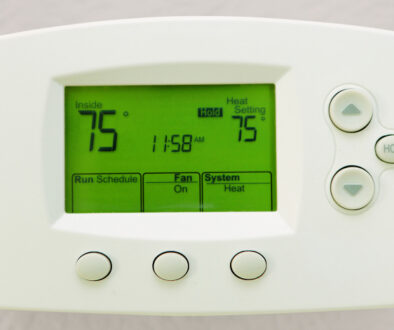
Before assuming the furnace needs major repairs, check the thermostat settings and make sure the system is set to heat. If your thermostat uses batteries, check whether they need replacement. You should also confirm the furnace has electrical power and check for an obvious issue such as a tripped breaker. If your furnace continues failing to start, repeatedly shuts down, or displays a fault code, contact an HVAC professional rather than repeatedly resetting the equipment. Avoid using outdoor grills, camping stoves, or other fuel-burning equipment indoors for emergency heat because of the risk of carbon monoxide poisoning.
Keep Warm Air Around Vulnerable Plumbing
Open cabinet doors beneath kitchen and bathroom sinks located along exterior walls. This allows warmer indoor air to circulate around the supply pipes while the house still retains heat. Keep interior doors open where practical so remaining warmth circulates throughout the home. If you have rooms containing plumbing that normally stay closed, allowing air movement between those spaces might help reduce temperature differences. These steps are most useful while the house still has some warmth. Once indoor temperatures fall significantly, additional measures become necessary.
Consider Letting Vulnerable Faucets Drip
Allowing a small amount of water to flow through vulnerable pipes sometimes helps reduce freezing risk during a temporary heating outage. Moving water and an open faucet can help limit pressure buildup if ice begins forming.
However, dripping faucets are not a guarantee against freezing, especially during prolonged periods of extreme cold. This approach also depends on having a functioning water supply and properly draining fixtures.
If your home is becoming dangerously cold or you expect to leave the property without heat, shutting off and draining the plumbing system might provide better protection.
Monitor Indoor Temperatures
Pay attention to how quickly your house cools, especially during severe weather. If possible, check temperatures in areas containing vulnerable plumbing rather than relying exclusively on the thermostat in your main living space.
A basement, utility room, or crawl space might cool at a different rate than the rest of your home. Knowing which areas are approaching freezing helps you respond before a pipe becomes blocked with ice.
Should You Shut Off the Water If Your Furnace Stops Working?
Shutting off your home’s main water supply is worth considering when a heating outage is expected to last for an extended period, indoor temperatures are falling toward freezing, or you need to leave the property without reliable heat. Turning off the main water valve does not automatically prevent water remaining inside the pipes from freezing. However, it limits the amount of water available to escape if a pipe breaks and begins leaking.
For better protection during a prolonged outage, the plumbing might also need to be drained. The appropriate process depends on your home’s water supply, water heater, plumbing layout, and other connected equipment. Some systems require additional precautions, so homeowners should avoid assuming that opening a few faucets completely drains every water line.
When Does Shutting Off the Main Water Supply Make Sense?
Consider shutting off the main water supply when:
- Your furnace has stopped working during extreme cold and repairs are not expected soon.
- Indoor temperatures continue falling and you cannot maintain enough heat around vulnerable plumbing.
- You plan to leave the home because of the heating outage.
- You suspect a pipe has already frozen or developed a leak.
- Water is actively leaking from damaged plumbing.
If you discover an active leak, shutting off the water promptly helps limit damage. If you are uncertain how to protect or drain the plumbing during a prolonged outage, contact a licensed plumber for guidance specific to your home.
How Do You Know If Your Pipes Have Frozen?
A frozen pipe does not always look damaged from the outside. In many cases, the first clue is a sudden change in water flow. If you turn on a faucet and only a trickle comes out, or no water flows at all, a frozen supply line is one possible explanation. This becomes more likely when the problem affects a fixture near an exterior wall or in an unheated area during freezing weather.
Other possible signs include visible frost on exposed pipes, unusual bulging, or water leaking from a connection after temperatures begin rising. If you suspect a pipe has frozen, avoid forcing valves or applying an open flame to the plumbing. If a pipe is visibly damaged or you suspect a hidden rupture, shut off the water supply and contact a plumber.
What Should You Check After Your Heat Is Restored?
Once your furnace is working again and indoor temperatures begin returning to normal, inspect areas where plumbing might have experienced freezing conditions. Start with exposed pipes in the basement, crawl space, utility room, or garage. Look for cracks, dripping water, wet insulation, or moisture around fittings. Then check beneath sinks, around toilets, near laundry connections, and along walls containing water lines. Pay attention to changes in water pressure or fixtures that no longer operate normally.
If your home has a water meter, unexplained movement when no water is being used might indicate a leak. You should also watch for new water stains, damp flooring, or moisture appearing after the house warms up. A small leak behind a wall might not become obvious immediately, so continue paying attention over the following day or two if your home experienced a significant temperature drop.
How Can You Prepare Your Plumbing Before a Winter Heating Emergency?
The best time to think about frozen pipes is before your furnace stops working. A little preparation helps you respond more quickly if a heating outage happens during Wisconsin’s coldest weather. Start by locating your main water shutoff valve and making sure household members know where to find it. Identify water lines running through exterior walls, garages, crawl spaces, and other cold areas.
Check for drafts around foundation openings, basement windows, and plumbing penetrations. Proper insulation and air sealing help reduce cold air exposure around vulnerable pipes. Make sure outdoor faucets are winterized and garden hoses are disconnected before freezing temperatures arrive. If you have experienced frozen pipes in previous winters, discuss those locations with a plumber rather than assuming the problem will not happen again.
Your heating system also deserves attention. Regular furnace maintenance helps identify performance concerns before they develop into a loss of heat, although no maintenance program eliminates every possibility of an unexpected breakdown.
Protect Your Plumbing When Wisconsin Temperatures Drop
A furnace breakdown during winter creates more than a comfort problem. As your home loses heat, pipes in exterior walls, crawl spaces, garages, and other vulnerable locations become increasingly exposed to freezing temperatures. The longer the heating outage continues, the greater the concern for frozen pipes and potential water damage.
Knowing where your main water shutoff is located, understanding which pipes face the greatest risk, and taking steps to preserve warmth around exposed plumbing all help you respond more effectively. If the outage will last for an extended period, shutting off the water and properly draining the system might be necessary to protect your home.
Niebuhr Plumbing, Heating, and Air Conditioning serves homeowners throughout La Crosse, Onalaska, Holmen, and the surrounding Coulee Region with both heating and plumbing services. Whether your furnace stops working during a cold snap, you suspect frozen pipes, or you need help repairing freeze-related plumbing damage, our team is here to help you address the problem and protect your home through Wisconsin’s winter weather.
Call 608-782-1700 or contact us here.