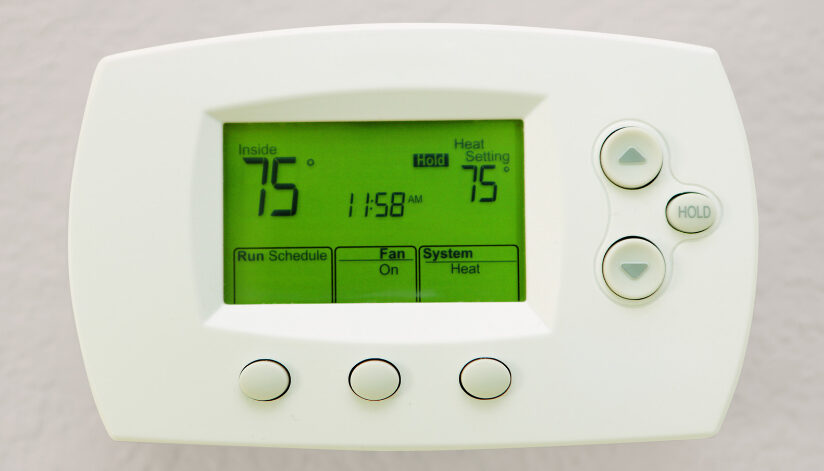
What Temperature Should You Set Your Thermostat to in Winter?
When winter arrives in Wisconsin, one of the most common questions homeowners ask is what temperature they should set their thermostat to. Some prefer keeping the house at 72 degrees throughout the day, while others lower the temperature overnight or when nobody is home in hopes of reducing their heating bills. With so much conflicting advice about thermostat settings, deciding what works best for your home is not always straightforward.
For most households, a winter thermostat setting between 68 and 72 degrees is a reasonable starting point, although the right temperature depends on your comfort preferences, your home’s insulation, and how your heating system performs. At Niebuhr Plumbing, Heating, and Air Conditioning, our HVAC technicians generally recommend maintaining a consistent, comfortable temperature rather than frequently adjusting the thermostat between daytime and nighttime settings.
While scheduled temperature setbacks are often promoted as an energy-saving strategy, our technicians have found the savings are not always significant in the homes they service. The heating system also needs to bring the house back to a comfortable temperature afterward, which takes time and increases heating demand during recovery.
Here’s what homeowners throughout La Crosse and the surrounding Coulee Region should consider when choosing the best thermostat settings for winter.
What Is the Best Thermostat Temperature for Winter?
For many households, setting the thermostat somewhere between 68 and 72 degrees provides a comfortable indoor temperature during Wisconsin’s heating season. The exact setting depends on personal preference, household activity, insulation, and how evenly your heating system distributes warm air.
A homeowner who spends most of the day moving around the house might feel comfortable at 68 degrees, while someone working at a desk for several hours might prefer 71 or 72 degrees. Older adults, young children, and people with certain health conditions might also need warmer indoor temperatures.
Rather than choosing a number because someone else recommends it, start with a temperature where everyone in your household feels comfortable. Give your heating system time to maintain the setting, then make small adjustments if necessary. The goal is to find a comfortable temperature your furnace maintains without frequent manual changes or unnecessary adjustments throughout the day.
Is 68 Degrees Warm Enough for Your House?
Many energy-efficiency recommendations identify 68 degrees as a reasonable winter heating setting, but comfort varies considerably between homes. A well-insulated house with newer windows and balanced airflow might feel comfortable at 68 degrees. Another home with older windows, drafts, or uneven heating might feel noticeably colder at the same thermostat setting.
Your thermostat measures temperature at its installed location, not throughout every room. If the thermostat reads 68 degrees while your living room feels much colder, the issue might involve airflow, insulation, drafts, or thermostat placement rather than the temperature setting itself.
Before raising the thermostat several degrees to compensate, consider whether your home has an underlying comfort problem worth addressing.
Should You Keep Your Thermostat at the Same Temperature All Day?
At Niebuhr, our HVAC technicians generally favor keeping your thermostat at a consistent, comfortable temperature rather than repeatedly changing settings throughout the day. Many homeowners have heard advice suggesting they should lower the thermostat while sleeping or away from home, then raise the temperature when they return. The idea is to reduce heating demand while the house is cooler.
Although lowering indoor temperatures reduces heat loss and scheduled setbacks do produce energy savings under appropriate conditions, the results vary by home and heating system. Our technicians have found that frequent adjustments do not always deliver enough savings to justify the changes in comfort and recovery time.
When you raise the thermostat after a setback, your heating system needs to replace the heat lost while the house was cooler. Depending on the temperature difference, outdoor conditions, and equipment, the recovery period might take longer than expected. For homeowners who prefer consistent comfort and predictable heating performance, choosing a reasonable temperature and leaving the thermostat alone is often the approach Niebuhr recommends.
Does Your Furnace Work Harder When You Turn the Thermostat Back Up?
When you raise your thermostat from a lower temperature to a warmer setting, your furnace needs to run long enough to bring the home back to the desired temperature. For example, if you lower your thermostat to 62 degrees overnight and raise it to 70 degrees in the morning, your furnace must warm the indoor air and gradually bring surrounding surfaces back toward the higher temperature. During a cold Wisconsin morning, that recovery might take a while.
For a conventional single-stage furnace, the equipment generally operates at its normal heating capacity during recovery rather than producing hotter air simply because you increased the thermostat setting. The difference is how long the furnace runs to reach the requested temperature.
This distinction matters when evaluating energy savings. Longer recovery periods do not automatically eliminate the energy saved during a setback, but they influence how quickly your home becomes comfortable again. Heat pumps and other systems with supplemental heating also have different considerations.
Niebuhr’s preference for consistent settings reflects the practical comfort and operating patterns our technicians observe in local homes.
What Temperature Should You Set Your Thermostat to at Night?
The best nighttime thermostat setting is one that allows everyone in your household to sleep comfortably without creating unnecessary temperature swings. Some people prefer cooler bedrooms, while others sleep better when the house stays close to its daytime temperature. Bedding, room location, airflow, and insulation all affect how warm or cool a bedroom feels.
If you keep your home at 70 degrees during the day and feel comfortable sleeping at the same temperature, there is no need to change the thermostat simply because nighttime has arrived. If you prefer a cooler sleeping environment, a small adjustment might provide the comfort you want. The important distinction is whether you are changing the temperature for personal comfort or expecting substantial energy savings.
At Niebuhr, we generally do not recommend programming large overnight setbacks solely to reduce heating costs. The savings vary, and some homeowners find the morning recovery period uncomfortable, particularly when outdoor temperatures are well below freezing.
Why Your Bedroom Might Feel Colder Than the Thermostat Setting
A thermostat located in a central hallway might read 70 degrees while a bedroom at the end of the house feels several degrees cooler. This difference becomes more noticeable during winter, especially in rooms above garages, near exterior walls, or farther from the furnace.
Poor airflow, inadequate insulation, drafty windows, and ductwork issues are possible causes. Closing bedroom doors may also affect airflow if the heating system lacks an adequate return-air path.
Instead of repeatedly raising the thermostat to compensate for one cold bedroom, consider having the airflow and heating system evaluated. Addressing uneven heating often improves comfort throughout the house without requiring a higher thermostat setting everywhere.
What Temperature Should You Set When Nobody Is Home?
Homeowners frequently ask whether they should lower the thermostat when leaving for work, running errands, or spending the day away from home.
A lower indoor temperature reduces heat loss while the house remains cooler, so setbacks have a legitimate energy-saving basis. The actual savings depend on how long the home stays at the reduced temperature, the outdoor weather, the building’s insulation, and the heating equipment.
For shorter absences, Niebuhr’s technicians generally recommend maintaining your normal comfortable setting instead of making frequent changes. You avoid returning to a cold house and waiting for the furnace to restore your preferred temperature.
Longer absences deserve a different approach. If you are leaving for several days, lowering the thermostat to a safe temperature might reduce heating costs while protecting your home from freezing conditions.
What Temperature Should You Leave Your House at During Winter Vacation?
If you are traveling during winter, keeping enough heat in your home is essential for protecting your plumbing. A commonly recommended minimum is 55 degrees, although some homes require a higher setting because of exposed plumbing, insulation conditions, or areas that stay significantly colder than the thermostat location.
Pipes in exterior walls, unheated spaces, and poorly insulated areas remain vulnerable even when the main living area stays above freezing. Before leaving for an extended period, consider the location of your plumbing, outdoor weather forecast, and whether someone will be checking the property.
For homeowners in the Coulee Region, where winter temperatures sometimes fall well below zero, protecting your plumbing should take priority over squeezing out a little more energy savings.
Do Smart Thermostats Save Money During Winter?
Smart thermostats offer convenient features, including remote temperature control, scheduling, energy reports, and automatic adjustments based on household routines. Some models also learn your preferences and make changes based on occupancy. Those features appeal to homeowners who travel frequently, manage multiple properties, or want more control over their heating system. However, installing a smart thermostat does not automatically reduce heating costs.
Much of the advertised energy savings comes from using scheduled temperature setbacks or occupancy-based adjustments. If you prefer keeping your home at a consistent temperature, a smart thermostat might provide convenience without producing significant energy savings.
At Niebuhr, we encourage homeowners to think about how they plan to use the thermostat before investing in an upgrade. A dependable programmable or traditional thermostat might already provide everything your household needs.
Should You Program Different Daytime and Nighttime Temperatures?
Smart thermostats make scheduling easy, but more programming does not necessarily mean better comfort.For example, a thermostat schedule might lower the temperature when everyone leaves for work, raise it before the household returns, lower it again at bedtime, and increase it the following morning.
Although this approach works for some households, frequent changes create additional recovery periods. Depending on your equipment and preferences, the schedule might also leave rooms feeling colder than expected.
Niebuhr’s HVAC technicians generally recommend a simpler approach. Find a comfortable setting, maintain it consistently, and adjust when your household has a specific reason to change the temperature. If you already use a smart thermostat, review its automatic settings. Some models enable energy-saving features that adjust temperatures without you manually requesting each change. Make sure those settings match your comfort preferences.
What To Consider for the Best Winter Thermostat Setting
Two homes with identical thermostat settings might feel completely different during winter. The number displayed on the thermostat tells only part of the story because your home’s construction and heating system influence how comfortable each room feels. Several factors deserve attention.
Insulation and Air Leaks
Insulation helps slow heat transfer through walls, ceilings, and floors, while air sealing reduces unwanted drafts. Homes with inadequate insulation or significant air leakage often feel colder near windows, exterior walls, and floors.
A homeowner might raise the thermostat to compensate for those cold areas, even though other rooms already feel comfortable. Improving insulation and addressing drafts might provide better results than continually increasing the heating temperature.
Furnace Performance and Airflow
Your furnace needs proper airflow to distribute heat throughout the home. Dirty filters, blocked return grilles, ductwork problems, and equipment issues may prevent some rooms from receiving enough warm air.
If your thermostat reaches the selected temperature but parts of your home remain cold, the furnace or duct system deserves attention. Raising the thermostat does not correct restricted airflow or an underlying equipment problem.
Thermostat Placement
Thermostat location also influences heating performance. A thermostat near direct sunlight, a heating vent, an exterior door, or another source of unusual temperatures might not accurately represent conditions throughout the home.
If your furnace turns on and off unexpectedly or your house never seems to match the thermostat reading, a technician should evaluate whether thermostat placement or operation contributes to the problem.
Practical Ways to Stay Comfortable Without Raising Your Thermostat
Before increasing your thermostat setting, consider whether a few household adjustments would improve comfort.
- Replace your furnace filter when needed to maintain proper airflow.
- Keep supply vents and return grilles clear of furniture, rugs, and other obstructions.
- Close curtains or blinds at night to reduce discomfort near cold windows.
- Open window coverings during sunny winter days when solar warmth benefits the room.
- Address noticeable drafts around doors and windows.
- Use ceiling fans at a low speed in the appropriate direction if they help distribute warm air without creating uncomfortable drafts.
- Schedule furnace maintenance to check equipment operation and identify performance concerns.
These steps help address factors influencing indoor comfort rather than relying entirely on thermostat adjustments. If your furnace struggles to maintain the selected temperature, runs constantly during moderate weather, or heats rooms unevenly, an HVAC inspection might identify a problem requiring attention.
Finding the Right Winter Thermostat Setting for Your Home
There is no single thermostat temperature that works perfectly for every Wisconsin household. For many homeowners, 68 to 72 degrees provides a reasonable starting range, but the best setting depends on your preferences, home construction, heating system, and household needs.
At Niebuhr Plumbing, Heating, and Air Conditioning, our HVAC technicians generally recommend choosing a comfortable temperature and maintaining a consistent setting rather than making frequent daytime and nighttime adjustments. While scheduled setbacks offer energy-saving potential, our team has found that the practical savings and comfort benefits vary, especially when homeowners regularly need to warm their homes back up.
If you find yourself constantly adjusting your thermostat because certain rooms feel too cold, your furnace runs longer than expected, or your home never seems comfortable, the issue might involve more than the temperature setting.
Niebuhr serves homeowners throughout La Crosse, Onalaska, Holmen, and the surrounding Coulee Region. Whether you have questions about thermostat operation, uneven heating, furnace performance, or winter comfort, our HVAC technicians are here to help you understand your heating system and find an approach that works for your home.
Call 608-782-1700 or contact us here.