Why Does My Furnace Keep Turning On and Off?
If your furnace keeps turning on and off every few minutes, your heating system may be short cycling. A normal furnace should run long enough to bring your home to the temperature set on the thermostat, then shut down until the indoor temperature drops again. When the furnace starts, stops, and restarts much more frequently, the system may be responding to restricted airflow, thermostat trouble, overheating, ignition problems, equipment sizing, or another mechanical issue.
At Niebuhr Plumbing, Heating, and Air Conditioning, homeowners across La Crosse and the surrounding Coulee Region often ask about frequent furnace cycling once heating season begins. Sometimes the cause is simple, such as a dirty furnace filter or blocked vent. Other situations require a closer look at the furnace itself. Understanding what normal operation looks like, along with the warning signs of short cycling, will help you decide when a basic adjustment makes sense and when to schedule professional furnace service.
What Does a Normal Furnace Cycle Look Like?
A heating cycle begins when your thermostat senses the indoor temperature has fallen below your preferred setting. The thermostat signals the furnace to start heating, and the blower moves warm air through your ductwork and into the rooms throughout your home. Once the house reaches the thermostat setting, the heating cycle ends and the furnace remains off until more heat is needed.
There is no single cycle length every furnace should follow because several factors influence how often your system runs. Outdoor temperature, insulation, home size, furnace capacity, thermostat settings, window quality, and air leakage all affect heating demand. During a mild October afternoon, your furnace might run infrequently, while a January cold snap may require much longer and more frequent cycles.
The concern comes when the furnace repeatedly shuts down before your home reaches the desired temperature, then restarts again a few minutes later. A pattern of short cycles often means something is preventing normal operation.
What Is Furnace Short Cycling?
Furnace short cycling refers to a heating system starting and stopping repeatedly without completing a normal heating cycle. You might hear the furnace start, feel warm air for several minutes, then notice the system shut down before the house feels warmer. Soon afterward, the furnace starts again and repeats the same process.
This pattern creates more than an annoyance. Every startup places demand on ignition components, electrical parts, blower motors, and other furnace equipment. Repeated starts also make even heating more difficult because the system has less time to move warm air throughout your home. If your furnace keeps turning on and off throughout the day, checking a few common causes is a good place to begin.
A Dirty Furnace Filter May Restrict Airflow
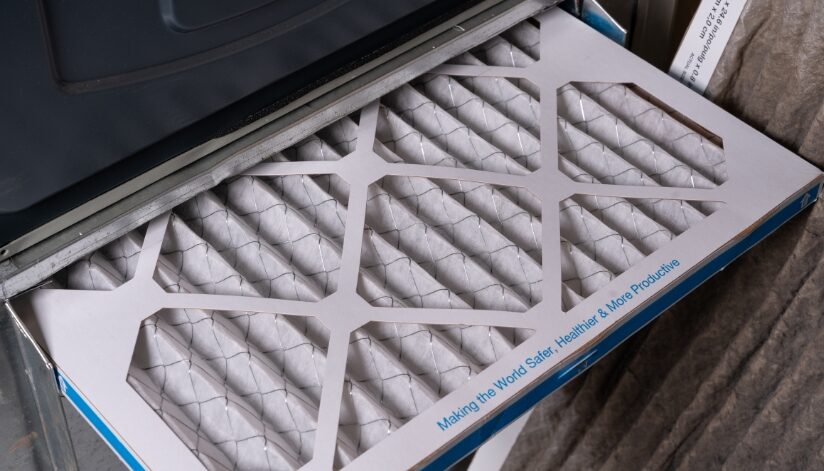
Your furnace needs steady airflow to operate properly. Air moves through the return ducts, passes through the filter, travels across the heating components, and then moves through the supply ducts into your home. When the furnace filter becomes packed with dust, pet hair, and other debris, airflow drops and heat may build inside the furnace.
Modern furnaces include safety controls designed to stop operation when internal temperatures become too high. After the furnace cools, the system may restart. If the airflow restriction remains, the furnace may overheat again and repeat the cycle. From inside the home, this often looks like a furnace running for several minutes, shutting down unexpectedly, then restarting a short time later.
Check your furnace filter if your heating system begins cycling more frequently than usual. Replace a dirty filter with the correct size and type for your equipment. Filter replacement frequency varies based on filter design, pets, household conditions, system use, and other factors, so regular visual checks provide a better guide than relying on one replacement schedule for every home.
Thermostat Problems May Cause Frequent Furnace Cycling
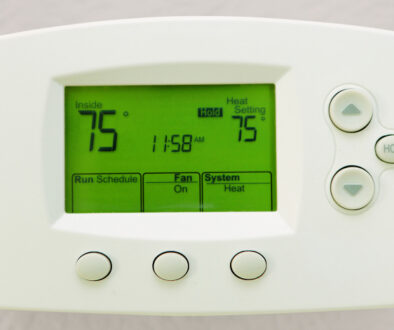
Your thermostat controls when your heating system starts and stops, so inaccurate readings or incorrect settings may create unusual furnace behavior. Weak batteries, loose wiring, programming errors, internal thermostat problems, and poor placement can all affect how your heating system responds. Thermostat location deserves attention because nearby heat sources or drafts may distort temperature readings. A thermostat positioned close to a supply vent might warm quickly while the rest of the house remains cool. The thermostat then tells the furnace to shut down, only to call for heat again once the area around the thermostat cools.
If your furnace keeps turning on and off, review your thermostat settings and compare the displayed temperature with how the room feels. Check programmed schedules, replace batteries where applicable, and make sure nobody changed a setting by mistake. If the thermostat behaves inconsistently or loses power, a technician may need to inspect the wiring or equipment connection.
Furnace Overheating May Trigger a Safety Shutdown
A furnace that becomes too hot may shut down to protect the system. Restricted airflow is a common reason, but dirty internal components, blower problems, blocked vents, or other mechanical concerns may also contribute.
Start by checking easy airflow issues around your home. Make sure supply vents remain open and remove furniture, rugs, curtains, or storage items blocking return grilles. Closing many vents in unused rooms may seem like a way to save energy, but excessive restriction may interfere with the airflow your furnace and duct system were designed to handle.
If your filter is clean and vents remain open, yet the furnace continues shutting down after short heating cycles, schedule an inspection. Repeated overheating means a safety control is responding to a condition requiring attention, even if the furnace starts working again after cooling down.
An Oversized Furnace May Heat Too Quickly
A larger furnace does not always provide better comfort. A furnace with more heating capacity than your home needs may raise the temperature near the thermostat quickly, causing the system to shut off before warm air reaches other areas of the house. Once temperatures begin dropping again, the furnace restarts and repeats the process.
Homeowners with oversized furnaces often notice frequent cycling, uneven temperatures, and rooms that never feel consistently comfortable. This issue may have existed since installation, especially if furnace sizing relied mainly on square footage instead of a detailed heating load calculation.
Proper furnace sizing considers insulation, windows, home layout, air leakage, ductwork, and other building characteristics. If your furnace has cycled frequently since installation and routine maintenance has not changed the behavior, equipment sizing deserves a closer look.
Ignition or Flame Sensor Problems May Interrupt Heating
Your furnace uses an ignition system to start the burners safely and a flame sensor to verify proper combustion. Problems with either component may cause the furnace to start and then shut down shortly afterward.
For example, a dirty or failing flame sensor may fail to confirm burner operation. The furnace then shuts off the gas supply as a safety measure. You might hear repeated startup attempts, clicking, or several short heating cycles before the furnace stops trying.
Ignition and flame sensing components are part of the furnace’s combustion and safety system, so professional diagnosis makes sense when symptoms point in this direction. Repeated ignition trouble should not become a seasonal routine.
Blower Motor Problems May Affect Heating Cycles
The blower motor moves heated air through the duct system. If the blower struggles to move enough air, heat may remain inside the furnace instead of reaching the rooms throughout your home. This may lead to overheating, weak airflow, unusual sounds, and shortened heating cycles.
Pay attention to airflow from several vents rather than checking only one room. If airflow feels weaker throughout the house compared with previous winters, make a note of the change. Also listen for squealing, grinding, rattling, or other sounds beginning when the blower starts.
Changes in airflow become especially noticeable during colder weather because your furnace runs more frequently. Addressing blower or airflow concerns early helps avoid greater strain during peak heating season.
Blocked Vents and Return Grilles May Affect Performance
Household changes sometimes cause furnace problems without anyone realizing the connection. A new couch might cover a return grille, a rug might block a floor vent, or storage boxes might end up in front of basement ductwork.
Walk through your home before heating season and check every supply vent and return grille. Keep airflow paths clear and avoid closing large numbers of vents in rooms you use less often. Your HVAC system was designed around a certain volume of airflow, and major restrictions may affect comfort and equipment performance.
This check only takes a few minutes and often helps uncover simple airflow problems before calling for service.
Why Does Your Furnace Run More Often on Cold Days?
More frequent furnace operation during cold Wisconsin weather is normal because your home loses heat faster as outdoor temperatures fall. The furnace must replace lost heat more often to maintain the temperature you selected.
The more useful question is how the furnace behaves during each cycle. A furnace that runs for a reasonable period, reaches the thermostat setting, shuts down, and stays off for a while is generally following a normal pattern. A furnace that runs for only a few minutes, shuts down before warming the home, then restarts soon afterward may be short cycling.
Look at the full pattern rather than counting how many times you hear the furnace start during one day. Outdoor conditions, thermostat settings, and household activity all affect normal furnace operation.
Is Furnace Short Cycling Bad for Your System?
Frequent cycling places additional wear on furnace components because every startup activates several parts of the system. Ignition equipment, electrical components, motors, and safety controls all experience more cycles when the furnace repeatedly starts and stops.
Short cycling may also reduce comfort and increase energy use. The furnace spends more time starting up and less time delivering steady heat throughout the home, which may leave some rooms cooler than others. A furnace struggling with airflow or overheating may also operate less efficiently than a properly maintained system.
Addressing the cause early protects the heating system from unnecessary strain and gives you a better chance of avoiding a larger problem during colder weather.
What Should You Check Before Calling for Furnace Service?
Before scheduling a service appointment, take a few minutes to check the basic items homeowners can safely review. Start with the furnace filter and replace a dirty filter with the correct replacement. Check your thermostat settings, batteries, and schedule, then make sure the thermostat is set to heat and the selected temperature is above the current indoor temperature.
Walk through your home and make sure vents and return grilles remain open and unobstructed. Then pay attention to what happens during the next heating cycle. Note how long the furnace runs, whether your home reaches the thermostat setting, whether airflow seems normal, and whether you hear unusual noises.
Some furnaces also display diagnostic lights or error codes. If you notice a flashing light or code, write down the pattern rather than repeatedly resetting the furnace. Those details may help the HVAC technician identify the problem more efficiently.
When Should You Call an HVAC Professional?
Schedule furnace service when frequent cycling continues after checking your filter, thermostat, and airflow. Weak airflow throughout the house, repeated shutdowns after only a few minutes, unusual noises, ignition trouble, burning odors, error codes, or a furnace failing to reach the thermostat setting all deserve professional attention.
Changes from previous heating seasons also matter. If your furnace used to run normally and suddenly begins cycling much more frequently, something within the system or home environment has changed. An HVAC technician can evaluate the furnace, thermostat, airflow, ignition components, safety controls, and overall equipment performance to identify the cause.
Pay Attention When Your Furnace Keeps Turning On and Off
A furnace running more often during cold weather is expected, but repeated starts and stops without completing a normal heating cycle point toward a different issue. Dirty filters, blocked airflow, thermostat problems, overheating, ignition trouble, blower issues, and equipment sizing all belong on the list of possible causes.
Start with the simple checks around your home and pay attention to the pattern. If your furnace continues short cycling, contact Niebuhr Plumbing, Heating, and Air Conditioning. We help homeowners throughout La Crosse, Onalaska, Holmen, and the surrounding Coulee Region diagnose heating problems and keep their systems operating properly through Wisconsin winters.
Addressing frequent furnace cycling before the coldest part of the season gives you more time to resolve the underlying problem and helps keep your home comfortable when reliable heat matters most.